How to Clean a Violin (Without Damaging the Varnish)
Folkstrings.com is reader-supported. When you buy through links on our site, we may earn a small commission.
Last Updated on June 22, 2026 by Daniel Johnstone
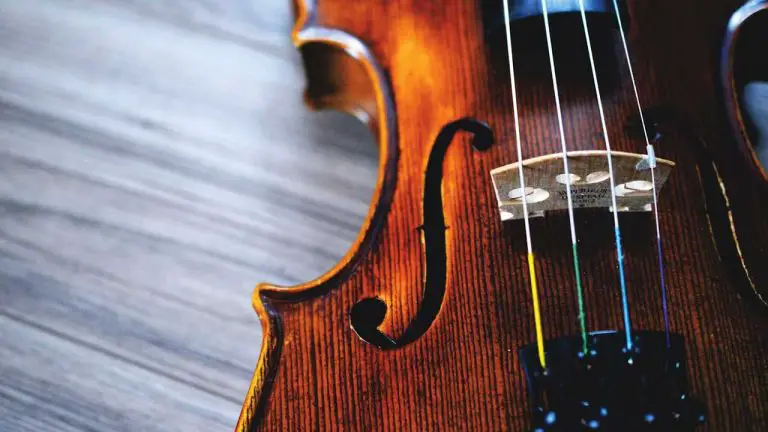
Rosin dust is the real enemy here, not dirt. Every time you play, a fine layer of rosin from the bow settles on the body, especially right under the strings near the bridge. Left alone, it builds up, dulls the varnish, and eventually gets genuinely difficult to remove without risking the finish. The good news is the actual cleaning routine is simple, as long as you avoid a few common mistakes.
What You’ll Actually Need
Two things, and you don’t need more than this for routine care.

MusicNomad String Instrument Cloth (MN731)
- 4.7 stars, 800+ reviews — made specifically for string instruments
- Lint-free microfiber, safe for varnish with no chemicals needed
- This is the one to keep in your case and use every time you put the violin away

Jim Dunlop Formula 65 Orchestral Polish
- 4.6 stars, 393 reviews — made specifically for orchestral string instruments, not a generic furniture polish
- Only needed occasionally, for buildup a dry cloth alone won’t shift
- Apply to the cloth, never directly onto the violin
The Daily Wipe-Down (Do This Every Time)
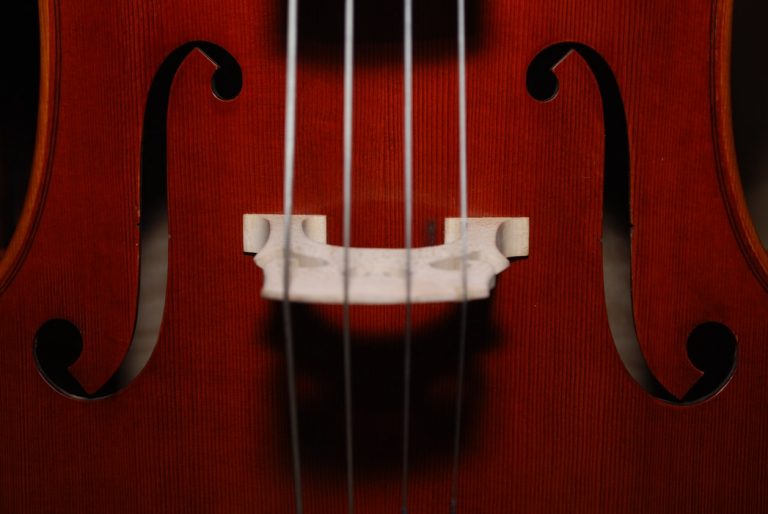
After every playing session, before you put the violin back in the case, wipe down the body, strings, and the underside of the bow with a dry microfiber cloth. This alone prevents most of the rosin buildup problem before it starts. Pay particular attention to the area under the strings between the bridge and fingerboard, since that’s where rosin dust concentrates most.
Removing Stubborn Rosin Buildup
If dry wiping alone stops working and you can see a hazy or chalky residue, that’s when a proper instrument polish earns its place. Apply a small amount to the cloth itself, never directly onto the violin, then wipe gently in the direction of the wood grain. Let it sit for a moment if the product instructions say to, then buff off with a clean section of the cloth.
What Not to Use
- No household cleaners, furniture polish, or alcohol-based products. Violin varnish is far more delicate than furniture finish, and alcohol can strip or cloud it permanently.
- No water. Even a small amount can seep into seams or affect the wood over time.
- Don’t scrub at the strings with anything abrasive. Wipe them gently with the same dry cloth; a buildup of rosin and finger oil on the strings affects tone and is easier to prevent than to remove.
- Keep anything liquid away from the pegs, fine tuners, and the area around the bridge and f-holes. Moisture getting inside the instrument is a genuine risk to the wood and the glue joints.
Cleaning the Bow
The wood and frog of the bow can be wiped with the same dry cloth. The hair itself shouldn’t be cleaned with polish or cleaner of any kind — if the hair is genuinely dirty or has lost its grip, it needs rehairing by a luthier rather than cleaning at home.
Frequently Asked Questions
How often should I clean my violin?
A quick dry wipe-down after every session. A proper polish, only occasionally, when dry wiping alone stops shifting the residue — for most players that’s a few times a year, not every week.
Can I use the same cloth I use for other instruments?
A clean, dedicated microfiber cloth is best. If a cloth has been used on a guitar with steel strings or anything that left metal residue, keep it separate to avoid scratching the violin’s varnish.
My violin has a sticky residue near the bridge — is that normal?
Yes, that’s rosin buildup, and it’s the most common cleaning issue violinists run into. It’s exactly what the daily wipe-down is meant to prevent, and what the polish is for once it’s already built up.
Conclusion
The whole routine boils down to: wipe it down every time you play, and reach for a proper instrument polish only when you actually need it. If you’re still deciding between a fiddle and a violin, or want to know more about either, my fiddle vs violin guide covers that. And if you’re shopping for a case to keep it properly protected between sessions, I’ve covered that in my violin case guide.
Author Profile
- Daniel Johnstone is an English writer and folk musician who has been playing stringed instruments for over twenty years. He started on guitar as a teenager before working his way through cavaco, tenor guitar, autoharp, mountain dulcimer, and harp. He founded Folkstrings.com to provide practical, experience-based buying advice for folk instrument players at every level — the kind of guidance he always wished had existed when he was finding his feet.
Latest entries
 AsianJune 21, 2026What Is the Sarod Instrument?
 ViolinJune 21, 2026How Hard Is It to Learn the Violin?
 ViolinJune 21, 2026Is Violin Harder Than Guitar?
 OudJune 21, 2026How Hard Is It to Play the Oud?