The Best Violin Case: What Actually Matters (and 3 Real Options)
Folkstrings.com is reader-supported. When you buy through links on our site, we may earn a small commission.
Last Updated on June 22, 2026 by folkstrings
What’s the best violin case? There’s no single answer — the right case depends on your budget, how often you travel with it, and how much protection you actually need. But there are a few things that genuinely matter regardless of which one you pick, and they’re worth understanding before you spend any money.
What Actually Matters in a Violin Case
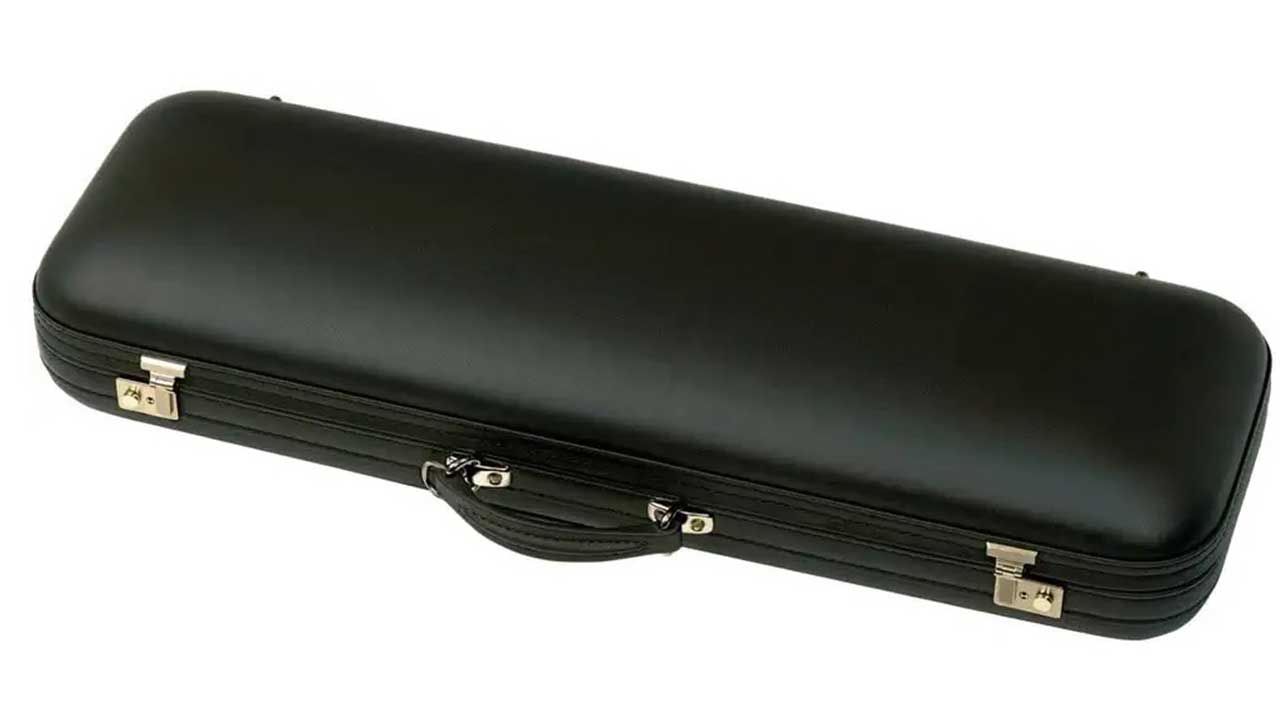
Oblong vs. shaped. Oblong cases are rectangular and give you more interior space for accessories — shoulder rests, extra rosin, sheet music. Shaped cases are contoured to the violin’s body and are usually lighter as a result. Neither is objectively better; it’s a genuine tradeoff between storage and weight.
Heat resistance matters more than people think. Carbon fiber cases became popular for being lightweight and strong, but carbon fiber conducts heat — leave one in a hot car and it can get genuinely hot to the touch. Thermoplastic shells handle temperature swings better while still offering strong protection.
Exterior material affects long-term durability. Leather and high-quality composite exteriors hold up to scrapes and regular travel noticeably better than basic nylon covers, which show wear much faster.
Quick Comparison
| Case | Best For | Reviews | Price | |
|---|---|---|---|---|
| VEVOR Oblong | Best budget | 73 reviews | $52.90 | Check Price → |
| Crossrock Oblong | Best value | 85 reviews | $118.90 | Check Price → |
| MI&VI NW-9001 Wooden | Best premium pick | 88 reviews | $234.79 | Check Price → |
1. VEVOR Oblong Violin Case — Best Budget
73 reviews on a case that costs a fraction of the premium options below. The built-in hygrometer is a genuinely useful feature at this price point — it lets you keep an eye on humidity without buying a separate gadget.

- 73 reviews, and includes a built-in hygrometer to monitor humidity around the instrument
- Plush lining and shoulder straps for comfortable carrying
- A genuinely solid starting point at a fraction of the price of the cases below
2. Crossrock Oblong Violin Case — Best Value
85 reviews, with people specifically calling out how sturdy and well-made it feels. The security lock and two bow holders are genuine practical upgrades over the budget option, without jumping to premium pricing.

- 85 reviews — reviewers specifically describe it as classy-looking and sturdy
- Interior compartment, two bow holders, and a security lock
- A genuine middle ground between the budget option above and a premium case
3. MI&VI NW-9001 Wooden Oblong Violin Case — Best Premium Pick
Solid wood construction with a silk interior, plus a built-in hygrometer and thermometer. One reviewer specifically mentions it survived a full school year of regular use, which says a lot about how it holds up to actual daily handling rather than just careful home storage.

- 88 reviews, with one reviewer specifically noting it survived an entire middle school year of regular use
- Solid wood construction with a luxury silk interior, plus a hygrometer and thermometer built in
- Multiple compartments for accessories like shoulder rests and rosin
Frequently Asked Questions
Is an oblong or shaped violin case better?
Why does heat resistance matter for a violin case?
Do I need a hygrometer in my violin case?
Conclusion
For most people, the Crossrock hits the right balance of price and real protection. If budget is the deciding factor, the VEVOR is genuinely fine to start with. And if you’re still working out the terminology around fiddles and violins, I’ve covered that separately here.
Author Profile

- Daniel Johnstone — Dániel to his friends back in Miskolc — is a Hungarian folk musician and writer who has been playing stringed instruments for over twenty years. Growing up in northeastern Hungary with a family steeped in folk music, he developed an early obsession with Celtic and Appalachian styles that eventually brought him to the UK. He worked his way through tenor banjo, 5-string banjo, autoharp, mountain dulcimer, mandolin, ukulele, harp and kalimba — most of them acquired through trial, error and more money than he'd like to admit. He founded Folkstrings.com to cut through the noise: practical, experience-based guides to instruments, strings, gear and accessories for folk players at every level.
Latest entries
 BanjoJuly 14, 2026Is Banjo Hard to Learn? Here’s What Nobody Tells You
 MandolinJuly 14, 2026Online Mandolin Lessons — What YouTube Can’t Teach You (And What Can)
 Useful ToolsJuly 13, 2026Recorder Fingering Chart — Complete Guide for Soprano Recorder (Baroque and German)
 UkuleleJuly 12, 2026Gifts For Ukulele Players: 10 Best Picks