
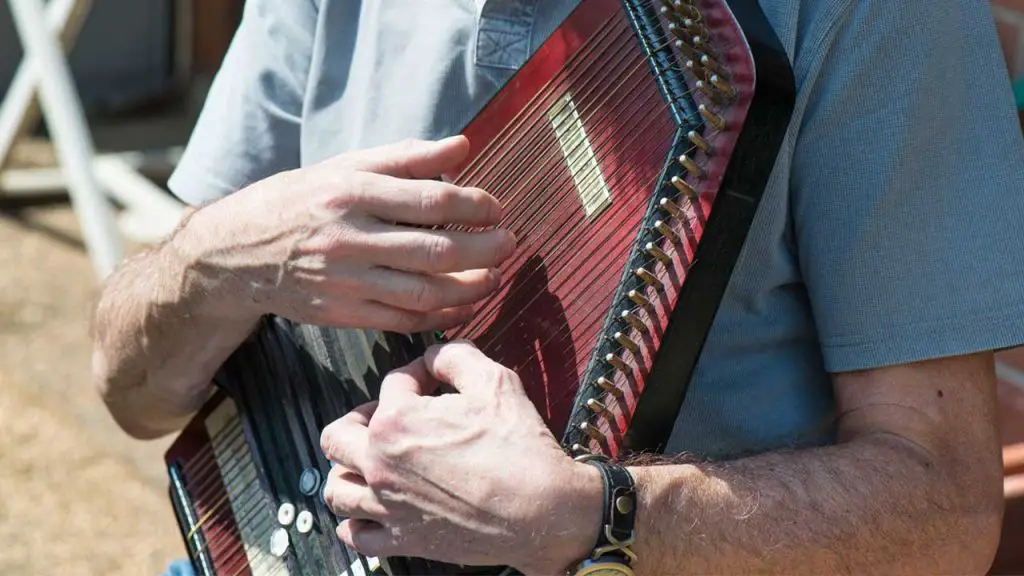
Learning to play the autoharp is a delightful journey into the world of music. It is often underrated for its ease of entry and the sweet, harmonious sounds it can produce. As a beginner, the autoharp is an excellent choice due to its straightforward design.
The instrument is designed to facilitate easy playing, making it accessible for musicians of all skill levels.
With its unique structure, where strings are strummed while buttons are pressed to form chords, it strips away some of the complexities associated with learning a new instrument.
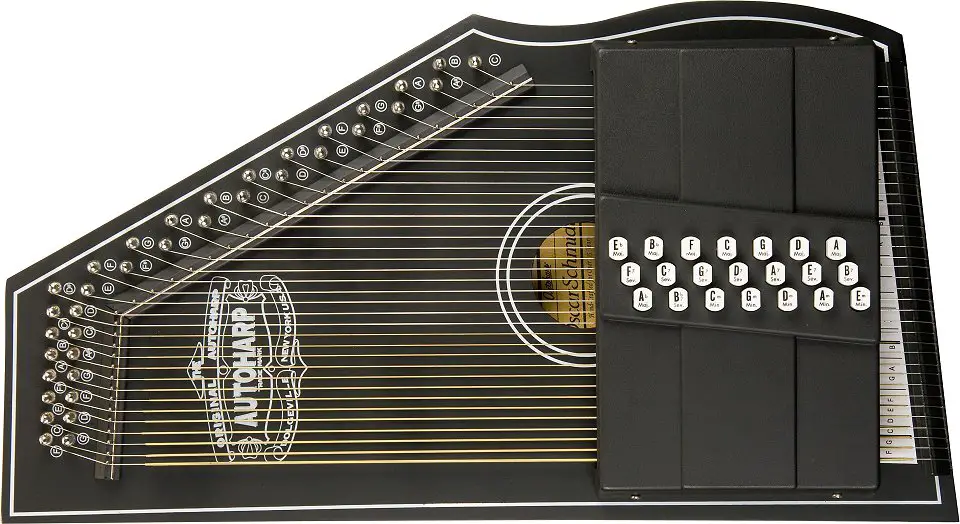
When starting out, selecting the right autoharp is crucial. There are various models available, and while each has its own specific features, beginners might benefit from choosing a model that is user-friendly with clearly marked chords.
Once you have your instrument, the primary focus is learning the basics. This includes familiarizing yourself with the feel of the strings, the correct methods to press down the chord bars, and developing a sense of rhythm.
Regular practice sessions are essential, but equally important is ensuring your autoharp is well-tuned. A properly tuned autoharp sounds better and is more enjoyable to play.
Key Takeaways
- An autoharp makes a great first instrument due to its easy-to-learn nature.
- The right choice of autoharp and understanding the basics are key to success.
- Regular tuning and maintenance will enhance your music experience.
Choosing Your Autoharp
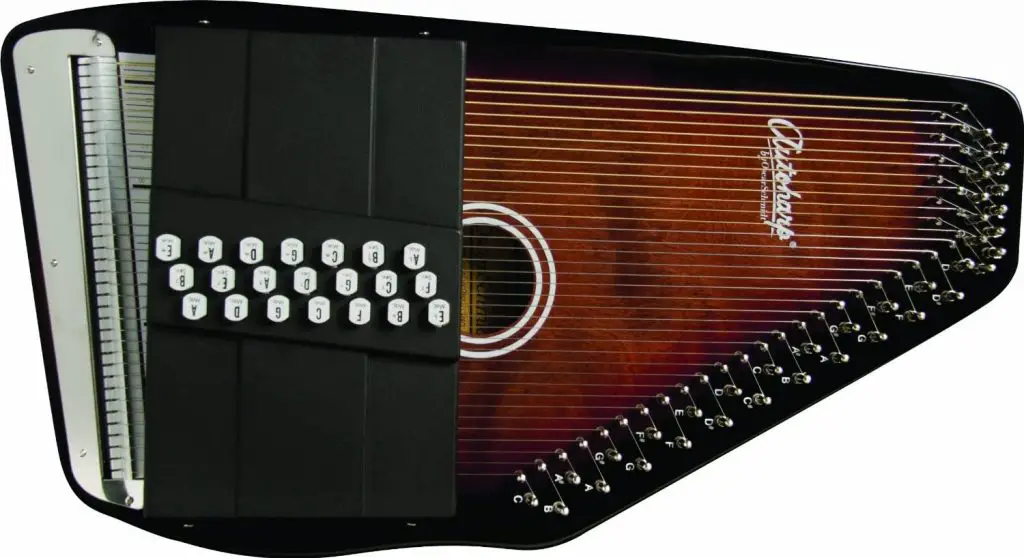
When I look for an autoharp, I focus on the type, quality, and where to buy to ensure I get the best instrument for my needs.
Understanding Autoharap Types
Autoharps are essentially a type of zither. I primarily come across two types: the standard autoharp and the Chromaharp. The latter is known for its ease of playing and maintenance. Oscar Schmidt is a reputable brand that offers a variety of autoharp models suitable for folk, country, and bluegrass music.
What to Look for When Buying
While considering quality, here’s what I keep my eye on:
- Strings: Look for a quality string set, as this affects the sound and tuning stability.
- Construction: Solid woods tend to produce a richer tone.
- Price: Autoharps can vary substantially in cost. A brand new one can range from a couple of hundred to over a thousand dollars.
- Size and Weight: Make sure it feels comfortable for you to hold and play.
When it comes to buying an autoharp, I try to balance quality with price. I watch out for options that are too cheap, as they might compromise on quality.
Where to Buy
For a wide selection, I explore both online and brick-and-mortar stores:
- Amazon: Great for variety but ensure to check seller reviews.
- Folkstrings.com: Specializes in stringed instruments with a focus on quality.
- Local Music Stores: I like to support local businesses and often find the best service here.
- Second-hand Marketplaces: Sometimes the best autoharps on the market are pre-loved.
Remember that some links might be affiliate links, meaning I or the website could earn a commission at no extra cost to you.
Learning the Basics

When I first started playing the autoharp, I realized that mastering a few foundational techniques could quickly lead to making beautiful music. This instrument is friendly for beginners and offers a straightforward path to playing melodies and chord progressions.
Familiarizing with Chord Bars and Buttons
My initial step was to understand the layout of the chord bars and buttons. Each chord bar corresponds to a specific chord and is activated by pressing a button. Here’s a basic layout of what you might find on a standard autoharp:
| Button | Chord |
|---|---|
| 1 | C Major |
| 2 | G Major |
| 3 | D Major |
| … | … |
I realized that learning the location and feel of these buttons was essential for smooth transitions between chords.
Simple Strumming Techniques
Next, I found that strumming the autoharp was as easy as gently brushing the strings. Here are the strumming techniques I found most useful for beginners:
- Down Strums: A simple downward strum across the strings can create a full chord sound.
- Alternative Strums: Alternating between down and up strums can give rhythm to my playing.
By focusing on these two types of strums, I built a solid base for creating different rhythms and adding variety to my music.
Tuning and Maintenance

Before I jump into the specifics, I find it’s crucial to understand that maintaining your autoharp includes regular tuning for the best sound quality, as well as performing basic repairs to keep it in tip-top shape.
Tuning Your Autoharp
When I tune my autoharp, I start by making sure that each string is in perfect harmony with the others. I use an electronic tuner for accuracy. Here’s a simple step-by-step guide:
- Turn on your tuner and set it close to your autoharp.
- Pluck one string at a time to isolate the sound.
- Adjust the tuning pins with a tuning wrench, turning them gently until the tuner indicates the correct pitch.
- Repeat for each string, remembering that autoharps typically have 36 or 37 strings.
It’s worth noting that an autoharp doesn’t require frequent tuning if handled with care. However, because strings can stretch and contract with changes in temperature and humidity, it’s a good idea to check the tuning before each session.
Basic Autoharp Repairs
For minor repairs, I often take on the challenge myself. Here are a couple of things that I can manage without the help of a professional:
- Replace broken strings: I always keep spare strings handy. To replace one, I remove the broken string, align the new string with the corresponding tuning pin and hitch pin, and then thread it through, tuning it to the correct pitch.
- Tighten loose tuning pins: If a tuning pin is loose, I gently rotate it clockwise with a tuning wrench to ensure it’s snugly fit. This helps maintain stable tuning.
Regular maintenance increases my autoharp’s longevity and ensures its sound quality remains superb, which is crucial for capturing those lovely traditional tunes perfectly.
Expanding Your Repertoire
As you grow comfortable strumming basic chords on your autoharp, consider expanding your musical range to keep your playing fresh and engaging. Embracing new genres and techniques will not only make your practice sessions more enjoyable but will also enhance your performance capabilities.
Playing Popular Genres
When I started playing the autoharp, I was delighted to discover that its harmonic richness can beautifully render a wide array of music including pop, rock, blues, and folk music. Here’s a simple way to start incorporating these genres into your play:
- Pop: Focus on learning major chords and practice chord progressions found in many pop songs.
- Rock: Experiment with muted strums to create that iconic rock sound that’s less about precision and more about attitude.
- Blues: Start with the blues scale and try using a pick for a crisper sound, which suits the blues genre well.
- Folk Music: Embrace the autoharp’s roots with traditional folk chords and finger-picking patterns.
Discovering Advanced Techniques
Once my basic playing was second nature, I started learning advanced techniques that brought my music to life. Here are a couple to try:
- Fretless: While the autoharp is typically fretless, focusing on precise button-activated chord changes can simulate the meticulous style of fretted instruments.
- Acoustic/Electric: Consider exploring an electric autoharp to amplify your sound and experiment with effects, perfect for more modern music styles.
Frequently Asked Questions
Before we dive into your questions, I want to assure you that learning to play the autoharp is an enjoyable journey. With the right techniques and resources, you’ll be strumming your favorite tunes in no time!
What basic techniques should a beginner learn to play the autoharp?
I also recommend practicing the basic strumming motion and the finger plucking method to individualize note sounds.
Are there any recommended tutorials available online for learning autoharps?
Websites dedicated to the autoharp also provide tutorials and tips that I’ve found quite helpful.
How can I find beginner-friendly sheet music for the autoharp?
Look for titles that specifically cater to beginners for an easier start.
What chords should I start with when learning to play the autoharp?
These are fundamental chords, and they feature commonly in many songs, making them perfect for beginners to become familiar with the instrument’s layout and sound.
Can you recommend any exercises for improving autoharp playing skills?
Begin with two-chord progressions and gradually add more complexity. Additionally, practicing scales can help with finger dexterity.
What are some tips for maintaining an autoharp in good condition?
Regularly check the tuning pegs and strings to ensure they’re in good working order. Replace them when necessary.
Author Profile

-
Daniel Johnstone is an English writer with a love for stringed instruments from around the world.
He shares his love for these instruments through his writing for folkstrings.com, a website dedicated to all things related to folk string music.
Daniel's passion for music started at a young age, and he has since become an accomplished musician, playing guitar, cavaco, and recently, the harp.
His dedication to learning and sharing his knowledge of stringed instruments is evident in his insightful and engaging blog posts. Whether you're a seasoned musician or a beginner, Daniel's writing is sure to inspire and entertain you.
When he's not playing music or writing, you can find Daniel exploring new instruments and seeking out new sounds to share with his readers.
Latest entries
 AutoharpApril 4, 2024Is Autoharp Easy to Play? Unveiling the Truth for Beginners
- AutoharpApril 4, 2024What Is an Autoharp Worth? Your Guide to Pricing and Value
 AutoharpApril 4, 2024Where Is the Best Place to Buy an Autoharp? Your Top Picks Reviewed
- AutoharpApril 4, 2024How Does the Autoharp Work? – Unveiling Its Melodic Secrets