Types Of Jaw Harps Around The World Explained
Folkstrings.com is reader-supported. When you buy through links on our site, we may earn a small commission.
Last Updated on June 19, 2026 by Daniel Johnstone
The jaw harp is one of those instruments that looks impossibly simple until you actually hold one. It’s just a small frame, a single vibrating reed, and suddenly you’re making a buzzing, twanging drone that people all over the world have been playing for thousands of years.
Whether you call it a mouth harp, a jew’s harp, a juice harp, or just a jaw harp, this little folk instrument comes in more varieties than most people expect.
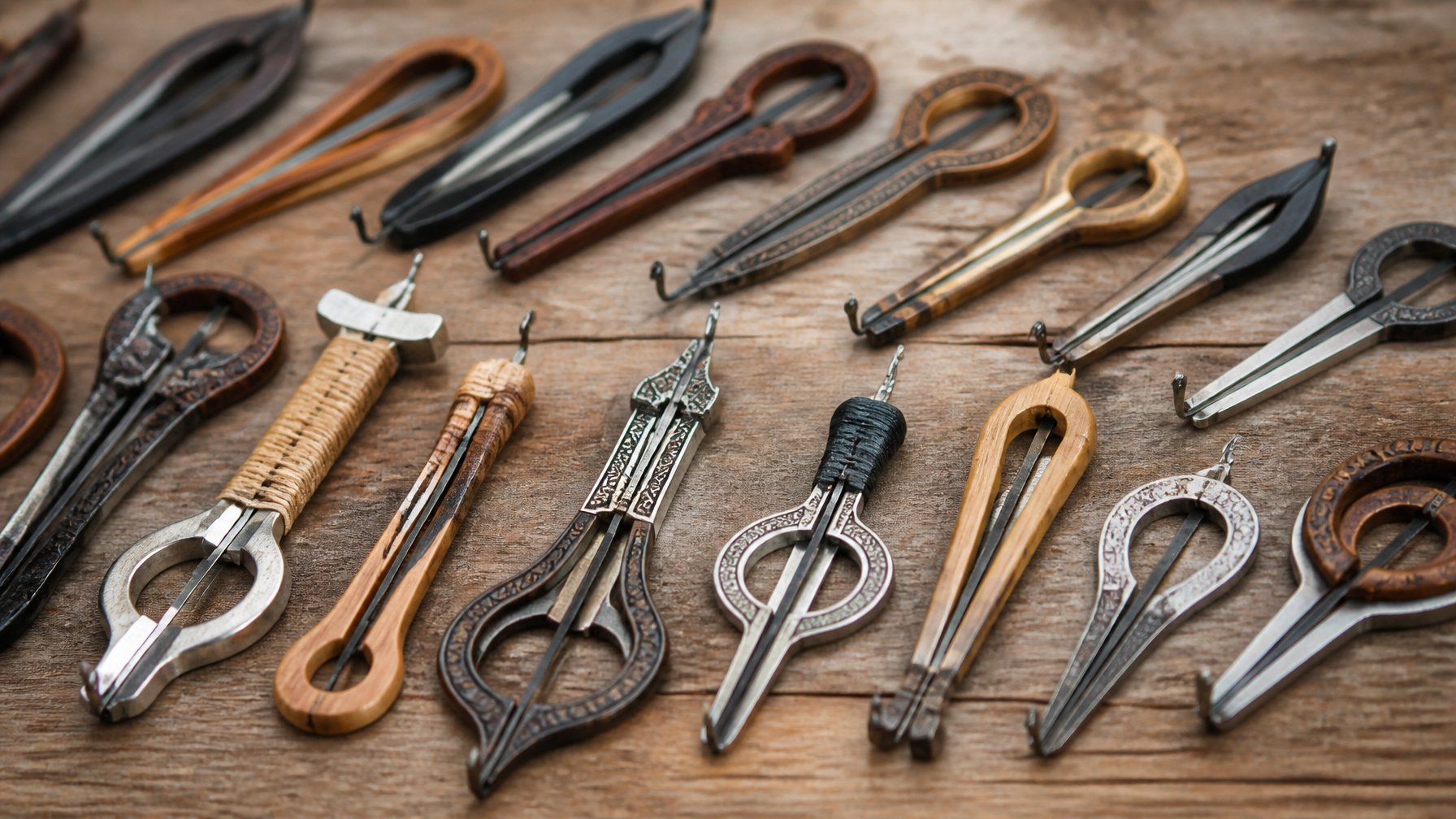
What really surprised me when I started exploring jaw harps was just how different they can sound and feel depending on where they’re from and what they’re made of. A Vietnamese dan moi and a Siberian khomus are technically the same kind of instrument, but playing them back to back feels like meeting two totally different musical personalities.
This guide is my attempt to map out those differences in a way that’s actually useful, whether you’re shopping for your first one or just curious about the instrument’s global reach.
Key Takeaways
- Jaw harps come in bamboo and metal varieties, and that material difference changes both the sound and the way they play.
- Every major world region has its own jaw harp tradition—like the khomus of Siberia or the karinding of Indonesia—each with its own name and vibe.
- Beginners can find good entry points in several regional styles, and understanding the differences helps you pick the right instrument for your interests.
How Jaw Harp Types Are Classified
The two biggest things that separate one mouth harp from another are the frame-and-reed design and the material it’s made from. Those two factors do more to shape the sound and feel of any jaw harp than almost anything else, honestly.
Frame And Reed Designs
Jaw harps generally fall into two design categories. Idioglot instruments are carved from a single piece of material, usually bamboo, so the reed and frame are all one piece.
Heteroglot instruments have a separate reed attached to a rigid frame, which is the usual approach for metal jaw harps.
Idioglot bamboo jaw harps tend to be flatter and sound softer, with a gentle buzz. Heteroglot metal harps are louder and produce sharper overtones.
Most European and Central Asian jaw harps are heteroglot, if you’re curious.
Metal Vs Bamboo Construction
You’ll mostly find brass jaw harps and cast iron jaw harps among metal types. Brass usually has a warmer, mellower sound, while cast iron is brighter and cuts through more. Both are tough and keep their tuning well.
Bamboo jaw harps are lighter, quieter, and a bit fragile. They have a softer, earthy buzz that feels more intimate than piercing. If you’re after a delicate, acoustic vibe, bamboo is worth checking out.
How Shape Changes Tone And Playability
A wider frame opening gives the reed more space to vibrate, which produces fuller overtones and a richer tone. Narrow frames make a tighter, more focused buzz.
Shorter reeds mean higher notes. Frame thickness matters too—thicker frames feel more solid and tend to keep vibrating longer. Beginners usually find wider, heavier frames easier to position.
Major Regional Traditions To Know First
Each major region of the world has its own jaw harp tradition, with unique names, construction styles, and roles in folk music. Names like vargan, khomus, morchang, dan moi, karinding, kouxian, maultrommel, parmupill, and guimbarde all point to specific instruments with their own personalities.
Siberia And Central Asia
The khomus is the jaw harp of Yakutia in Siberia, and it’s one of the most celebrated examples out there. Siberian khomus instruments are usually forged from iron or steel and have a sharp, resonant tone.
The vargan is a broader Russian word for similar metal jaw harps in the region. Yakut players treat the khomus as a cultural symbol, and master-forged versions are highly valued. There’s even a Khomus Museum in Yakutia—seriously, it’s a big deal there.
South Asia
In South Asia, the morchang is the main jaw harp style, used widely in Indian classical and folk music. The Indian morchang, also called morsing in South Indian traditions, is usually made from cast iron or brass and produces a sharp, buzzing accent.
The morsing stands out in Carnatic music, where it plays alongside other percussion. Players use quick tongue movements and breath control to create rhythmic patterns that fit with the melody.
Southeast Asia
Southeast Asia is bamboo jaw harp country. The dan moi comes from Vietnam, the karinding from West Java in Indonesia, and the genggong from Bali. They’re all carved from bamboo or palm leaf, which gives them a softer, more organic sound than metal harps.
The Indonesian tradition is closely tied to community and courtship. Historically, young people used these instruments to send musical messages—a kind of tonal conversation.
China And East Asia
The kouxian (or kou xiang) is the Chinese jaw harp, used by various ethnic minority groups. Many kouxian have multiple bronze blades tuned to different pitches, which lets players suggest simple melodies instead of just a drone.
This multi-blade setup makes the Chinese jaw harp stand out from single-reed versions. It’s a more melodically flexible design, and the sound is bright and metallic.
Europe And Folk Revival Scenes
The maultrommel is the German word for the European metal jaw harp, most famously made in Molln, Austria. Parmupill is from Estonia, guimbarde from French-speaking areas, and Ozark harp is what you’ll hear in American folk music, especially in the Appalachians.
European instruments helped drive the folk music revival of jaw harps from the 1960s onward. Austrian maultrommel playing even got UNESCO recognition as intangible cultural heritage, which brought new international attention to the instrument.
Notable Instruments By Region
Getting familiar with the actual instrument names that makers and sellers use helps you shop and research more effectively. Here are some of the most widely available and culturally important jaw harp types you’re likely to run into.
Dan Moi And Other Vietnamese Styles
The dan moi jaw harp is Vietnam’s best-known contribution. It’s a thin, tongue-shaped bamboo instrument, often hand-carved by H’mong artisans in the northern highlands. The dan moi has a delicate, breathy buzz and a slim, elegant profile.
H’mong artisans have made dan moi instruments for generations, but quality can vary a lot between mass-produced tourist versions and hand-crafted pieces. If you’re buying one, look for clean edges and an even reed thickness.
Karinding And Bamboo Instruments From Indonesia
The karinding jaw harp from West Java is one of the more unusual-looking bamboo instruments. It has a slightly curved body and a softer buzz than the Vietnamese styles. It’s traditionally made from aren palm or bamboo.
The karinding has made a comeback with younger Indonesian musicians who use it in both folk and experimental music. Its sound is whispery and meditative, making it great for quiet, introspective playing.
Kouxian And Hechi Variants From China
The kouxian comes in several regional versions across China. The hechi jaw harp is one notable subtype, tied to certain ethnic communities and featuring its own tuning and construction. You can sometimes find hechi jaw harps from specialty importers.
The multi-reed design in some kouxian styles is unique among jaw harps. Each blade is tuned separately, so a set covers several pitches.
Morchang, Morsing, And South Asian Playing Traditions
The morchang and morsing are close relatives but come from different parts of India. The morchang is used in Rajasthani folk music, while the morsing shows up in South Indian classical music as a percussion accent.
Both are made from cast iron or brass and give off a bright, sharp buzz. Players grip the frame between their teeth and use tongue and breath movements to create rhythmic flourishes. The style is more percussive than melodic.
European And Northern Eurasian Metal Harps
The maultrommel, parmupill, vargan, and khomus represent the metal jaw harp traditions of Europe and Northern Eurasia. The Austrian maultrommel is maybe the most refined, with hand-forged frames and carefully tempered steel reeds.
The parmupill from Estonia has a slightly different frame shape and a warmer tone than the Austrian ones. The khomus and vargan from Russia and Siberia are heavier and louder, meant for playing outside or in big spaces.
Choosing The Right Instrument For Your Needs
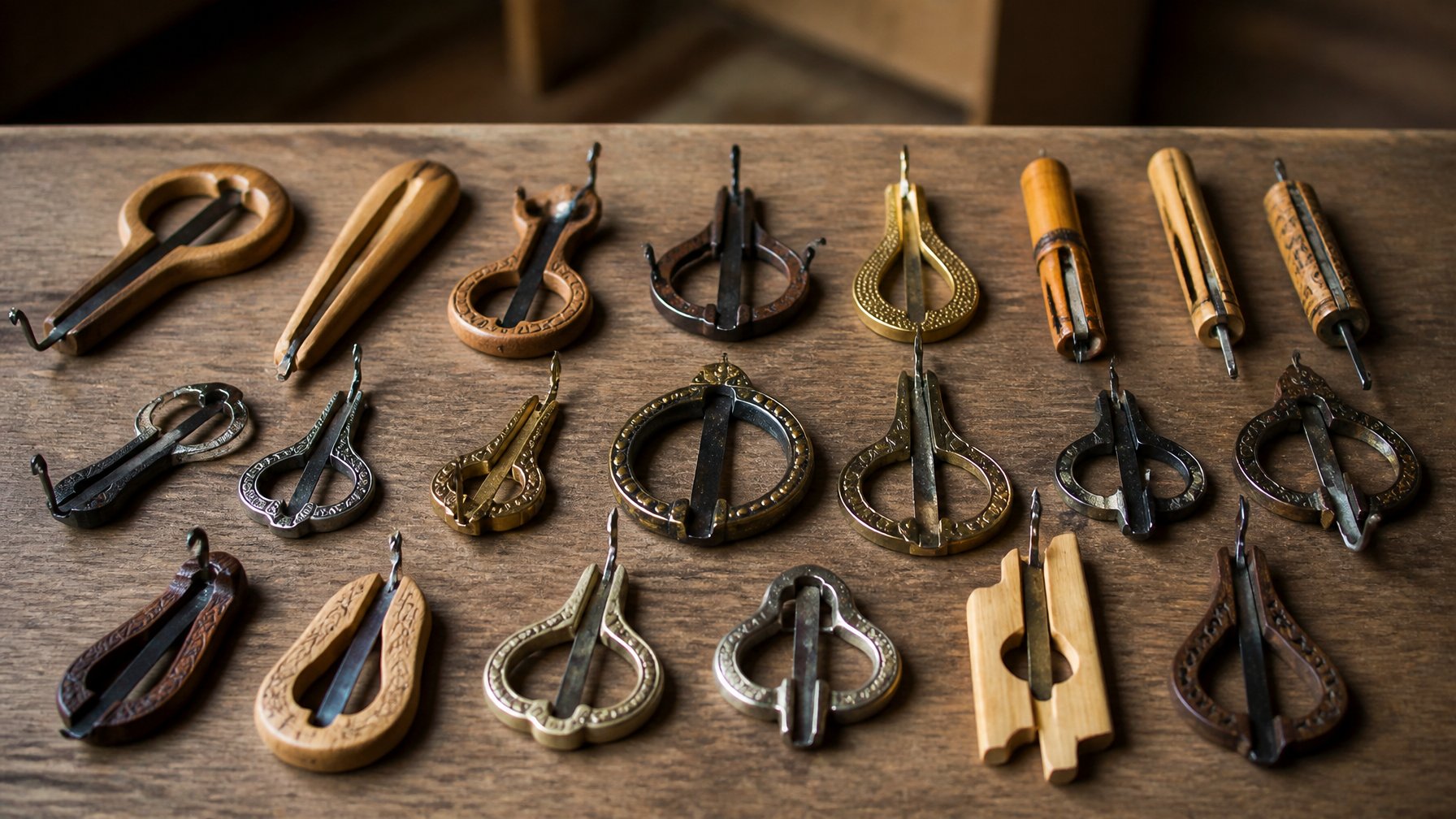
Picking the right jaw harp mostly comes down to matching the instrument’s material and character to how you want to play—and what draws you to it in the first place. A few practical things narrow the choice down pretty quickly.
Best Picks For Beginners
Beginner harps should be easy to hold and make a clear sound without a ton of technique. A mid-priced brass jaw harp is my top pick for most new players. Brass is smooth on the lips, sounds pleasant, and is easy to find.
The dan moi jaw harp is a good bamboo option if you want something lighter and quieter. It’s cheap and widely sold online. I’d avoid the cheapest cast iron jaw harps from unknown makers—bad reeds make them frustrating to learn on.
What Materials Feel And Sound Like
- Brass: Warm, mellow buzz; smooth and comfy against your teeth; a great all-around choice
- Cast iron: Brighter and louder than brass; a bit rougher; good for traditional styles and folk playing
- Bamboo: Softest sound; lightweight and fragile; best for quiet practice or exploring Southeast Asian sounds
- Steel (forged): Sharpest tone; most volume; found in top-quality maultrommel and khomus harps
The hechi jaw harp and kouxian are kind of in their own category, since multi-blade designs take more coordination. They’re rewarding, but probably not the best choice for your very first instrument.
Travel, Durability, And Maintenance
Metal jaw harps travel well. They handle humidity and temperature changes better than bamboo.
A brass or cast iron instrument tucked into a small pouch or case will survive years of casual use. Bamboo instruments need more care and can crack in very dry conditions.
For maintenance, keep metal harps dry. Occasionally wipe them down.
If you play bamboo, store it away from direct sun and big temperature swings. Sustainable music-making with bamboo means a bit more attention, honestly.
Any jaw harp with a bent or warped reed should be retired, not forced. A damaged reed affects both sound and safety.
Playing Experience And Modern Uses
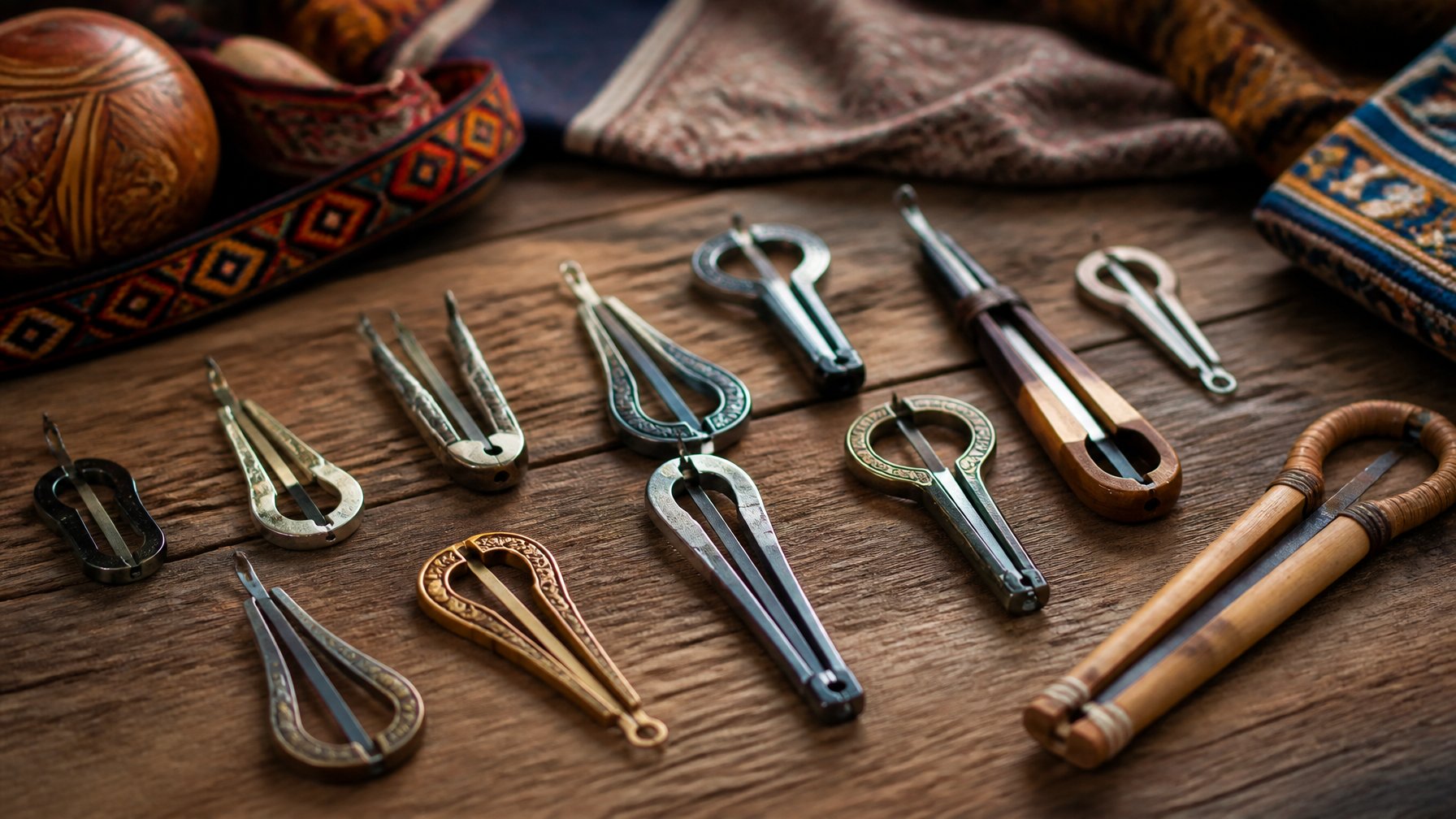
Playing a jaw harp is an experience that genuinely surprises most first-timers. The instrument becomes part of your body in a way that few others do.
Your mouth acts as a living resonance chamber, shaping and coloring every note. It’s honestly a bit wild how much you can change the sound with just a slight shift.
How Mouth Shape Creates Overtones
The jaw harp produces a fixed buzzing sound from the reed. What makes it musically interesting is how you sculpt overtones with your mouth.
By silently forming vowel shapes, you shift which frequencies resonate inside your mouth, pulling different overtones forward. Forming an “ee” shape brightens the sound, while an “oh” or “oo” shape deepens it.
This is how players get what sounds like melody from an instrument with only one pitch. The resonant tone is always a mix of the reed’s fundamental and the overtones your mouth brings out.
Solo Practice, Folk Performance, And Experimentation
In solo practice, jaw harps reward slow, mindful exploration. Experimenting with breath, vowel shapes, and tongue position produces new sounds almost every session.
Folk music contexts, from Appalachian traditional music to Rajasthani gatherings, usually feature the jaw harp as a rhythmic accent or drone instrument. It’s rarely the lead voice, but it adds a lot of character.
Modern players use jaw harps in experimental and ambient music, layering the drone with effects pedals or looping devices. Traditional techniques and new contexts actually blend pretty well, and the instrument’s low cost and compact size make it easy to pick up and experiment with.
Meditative And Therapeutic Appeal
Sound therapy practitioners have taken interest in jaw harps because the vibration resonates directly through the skull and jaw. Some players find the steady drone and focus required genuinely calming.
The folk tradition of using the khomus in trance and ritual points to a long history of this kind of use. Still, it’s worth keeping realistic expectations here.
The jaw harp is genuinely relaxing to play, but the meditative benefits come from focused practice, not some magical property of the instrument. It’s more about the time you put in than instant results, honestly.
Frequently Asked Questions
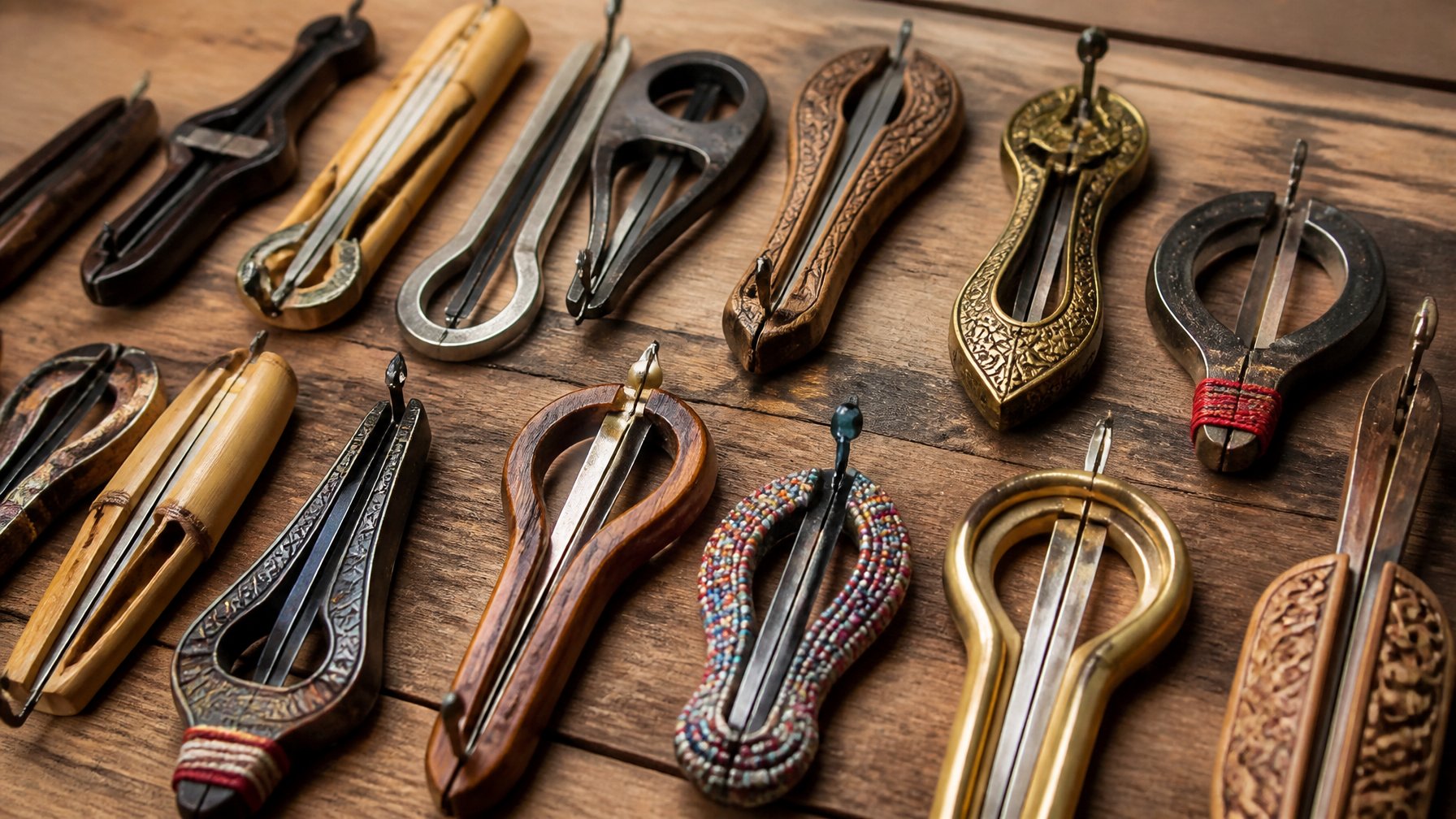
What are the main styles of jaw harps found in different regions of the world?
The main regional styles include the khomus and vargan from Siberia and Central Asia. There’s the morchang and morsing from South Asia, the dan moi and karinding from Southeast Asia, the kouxian and hechi from China, and the maultrommel, parmupill, and guimbarde from Europe.
Each has distinct construction and cultural uses. The Ozark harp is the American folk version, rooted in Appalachian music.
How do American jaw harps differ from European and Asian designs?
American jaw harps, often called Ozark harps, are usually simple, mass-produced metal instruments with a basic horseshoe frame and a single steel reed. European harps like the Austrian maultrommel are more finely crafted, with hand-forged frames and carefully tempered reeds.
Asian designs range from carved bamboo instruments like the dan moi to multi-reed metal instruments like the kouxian. There’s just more variety in both material and design than you’ll find in most American versions.
Which jaw harp is best for beginners, and what should I look for when choosing one?
A mid-range brass jaw harp is the best starting point for most beginners. Look for a smooth reed, no rough edges, and a frame that feels stable against your lips.
You want a clear, consistent buzzing sound when you pluck it. The dan moi is a good bamboo alternative if you want something quieter and lighter.
Where can I buy a good-quality jaw harp online, and what should I avoid?
Specialty folk instrument shops and dedicated jaw harp sellers offer better quality control than generic marketplaces. Look for sellers who provide details about the material, reed type, and tuning.
Avoid the cheapest listings with no product info. Low-quality reeds are frustrating to play and can have sharp edges—nobody wants that.
How much does a jaw harp typically cost, and what affects the price?
Basic jaw harps start around five to fifteen dollars for simple mass-produced versions. Mid-range instruments from regional makers usually cost between twenty and sixty dollars.
Hand-forged instruments from specialist makers, such as high-end maultrommel or khomus pieces, can run one hundred dollars or more. Material quality, craftsmanship, and the maker’s reputation all play a big role in the price.
Can playing a jaw harp damage your teeth, and how can I play safely?
Playing the jaw harp the right way feels surprisingly gentle on your teeth. The frame just rests lightly against your teeth or lips; you definitely don’t want to clamp down or force anything.
Some beginners press too hard at first, which can make your teeth or mouth a bit sore. The real trick is keeping things relaxed and using only light contact.
If you notice a reed that feels sharp or unfinished, just skip it. Honestly, rough metal edges are probably the biggest thing to watch out for when it comes to safety.
Author Profile
- Daniel Johnstone is an English writer and folk musician who has been playing stringed instruments for over twenty years. He started on guitar as a teenager before working his way through cavaco, tenor guitar, autoharp, mountain dulcimer, and harp. He founded Folkstrings.com to provide practical, experience-based buying advice for folk instrument players at every level — the kind of guidance he always wished had existed when he was finding his feet.
Latest entries
 AsianJune 21, 2026What Is the Sarod Instrument?
 ViolinJune 21, 2026How Hard Is It to Learn the Violin?
 ViolinJune 21, 2026Is Violin Harder Than Guitar?
 OudJune 21, 2026How Hard Is It to Play the Oud?