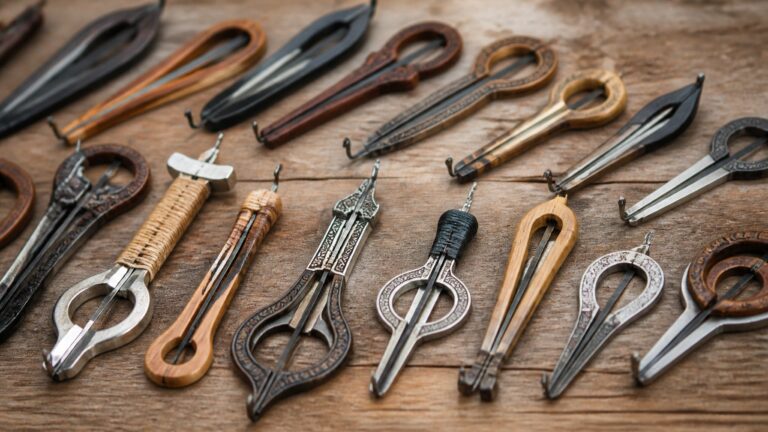
Best Jaw Harp for Beginners: What to Buy (and What to Avoid)
Folkstrings.com is reader-supported. When you buy through links on our site, we may earn a small commission.
Last Updated on June 22, 2026 by folkstrings
I’ll be honest — the jaw harp was an instrument I almost wrote off as a novelty. A small metal frame you hold against your teeth and pluck doesn’t exactly scream “serious instrument.” But after spending time with a few different ones (and reading through hundreds of buyer reviews while researching this guide), I’ve changed my mind. A good jaw harp is genuinely fun to play, and it’s one of the cheapest ways to get into folk instruments. The catch is that a bad one is barely playable at all, and there are a lot of bad ones out there.
This guide covers the two jaw harps I’d actually recommend buying, based on review patterns, build quality, and how consistently people report them working out of the box.
Key Points
- A jaw harp is held against the teeth and plucked with a finger, using your mouth as the resonator
- Cheap, unbranded harps are where most of the bad reviews come from — sound quality and durability suffer badly below about $12
- The MUARO P.Potkin is the most popular well-reviewed option, with 1,500+ reviews and Amazon’s Choice status
- The Altay version is built specifically with beginners in mind and has the highest rating of the harps I checked
My Picks for the Best Jaw Harp for Beginners

- Handcrafted in Russia’s Altai Mountains, long considered the traditional home of jaw harp making
- Comes with a cedar wooden case and leather cord, so it’s easy to keep track of
- Amazon’s Choice with over 1,500 reviews and a 4.4-star average
- Compact and light enough to carry in a pocket or bag

- Built on the same trusted Komus design, marketed specifically for first-time players
- Comes with a “Dark Leaf” wooden case for safe, easy storage
- The highest-rated harp we checked, at 4.5 stars across more than 1,000 reviews
- A safe choice if you’d rather not guess whether a harp is beginner-friendly
A Word of Caution Before You Buy
While researching this guide, one pattern showed up again and again in reviews of the cheapest jaw harps on Amazon: harps that produce barely any sound, harps that arrive bent out of shape, and — more concerning — harps that are uncomfortable or even risky against your teeth because of poor manufacturing. This isn’t true of every budget option, but it’s common enough below roughly the $12 mark that I’d steer clear of the very cheapest listings, even though the instrument itself is inexpensive either way.
Both harps below sit in a sensible middle ground — affordable, but from makers with a long enough review history that you can trust the consistency.
How to Hold and Play a Jaw Harp Without Hurting Your Teeth
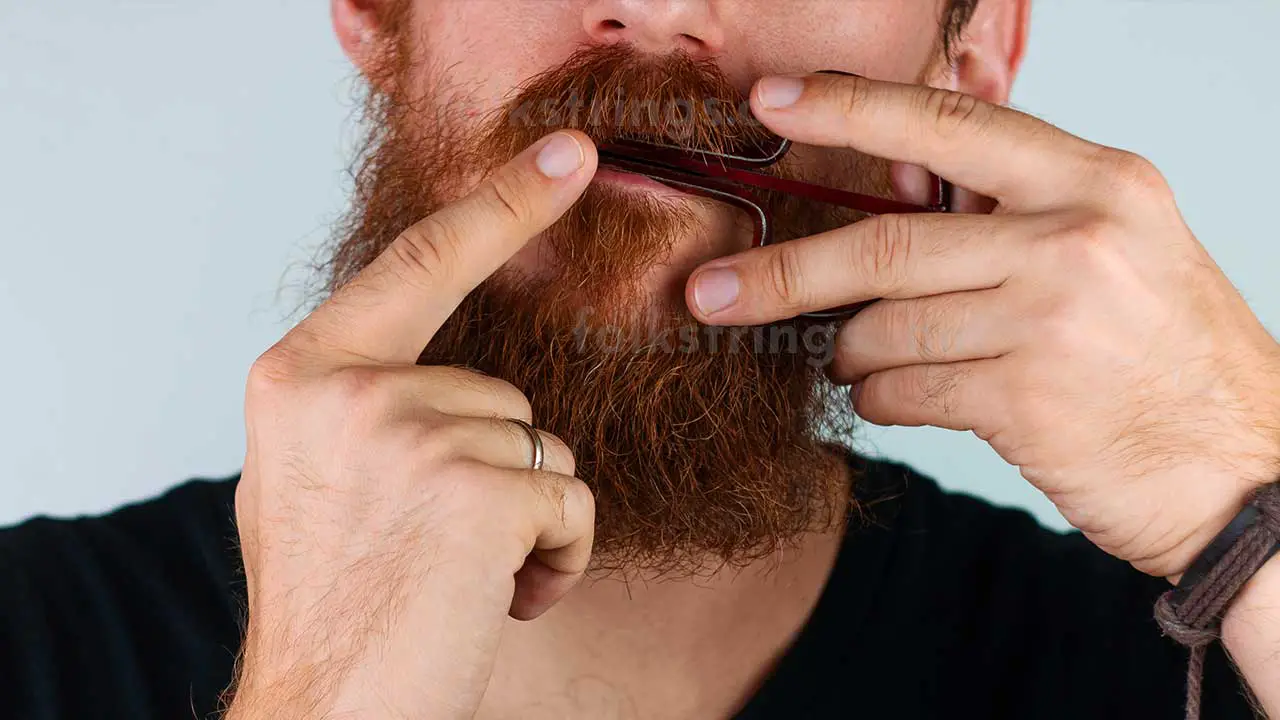
Rest the frame gently against your front teeth — don’t clamp down on it. Your strumming hand does the work of plucking the metal tongue, while your other hand just holds the frame steady and lightly in place. Changing the shape of your mouth and your breathing is what shapes the pitch and tone, not how hard you press the harp against your teeth. A handful of negative reviews I came across were really describing this mistake rather than a fault with the instrument itself.
Frequently Asked Questions
What is a jaw harp?
How do you play a jaw harp?
Is a jaw harp easy to play for beginners?
Can a jaw harp hurt your teeth?
How much should I spend on a jaw harp for beginners?
If you want to dig deeper into the instrument’s history and how it’s traditionally played around the world, I’ve got a fuller breakdown in my guide to the jaw harp.
Author Profile
- Daniel Johnstone is an English writer and folk musician who has been playing stringed instruments for over twenty years. He started on guitar as a teenager before working his way through cavaco, tenor guitar, autoharp, mountain dulcimer, and harp. He founded Folkstrings.com to provide practical, experience-based buying advice for folk instrument players at every level — the kind of guidance he always wished had existed when he was finding his feet.
Latest entries
 AsianJune 21, 2026What Is the Sarod Instrument?
 ViolinJune 21, 2026How Hard Is It to Learn the Violin?
 ViolinJune 21, 2026Is Violin Harder Than Guitar?
 OudJune 21, 2026How Hard Is It to Play the Oud?