What Are Some Good Ukulele Brands? – Top Picks for Uke Enthusiasts
Folkstrings.com is reader-supported. When you buy through links on our site, we may earn a small commission.
Last Updated on June 22, 2026 by folkstrings
When I first started playing the ukulele, I quickly realized that the brand of the instrument can have a significant impact on the playing experience.
Over the years, I’ve found that some of the best ukulele brands cater not only to my changing skill levels but also to my preference for sound quality and build.
From handcrafted models that resonated with warm, rich tones, to more budget-friendly options that didn’t sacrifice quality for cost, discovering the right brand can be a rewarding part of the ukulele journey.
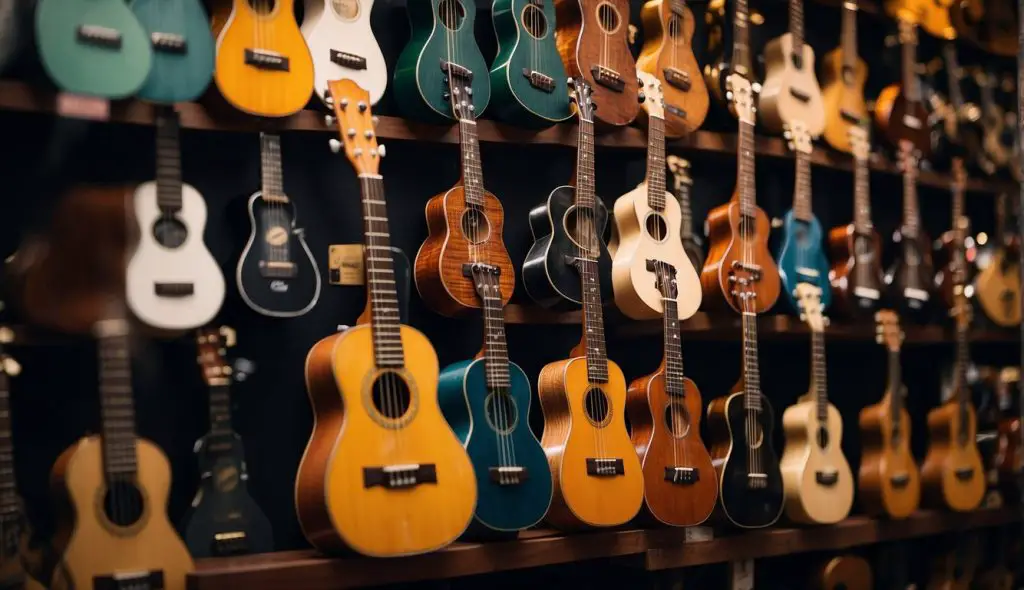
As I explored different ukuleles, I learned that sizes like soprano, concert, tenor, and baritone each offer distinct sounds and playability.
Top brands pay meticulous attention to the materials and construction of their instruments, which can significantly affect their durability and sound.
Before choosing a ukulele, I always consider what my needs are, including the type of music I want to play, the sound quality I prefer, and the level of investment I’m ready to make. This holistic approach to selecting a ukulele ensures that the instrument I choose will not only meet but often exceed my expectations.
Key Points
- Different ukulele brands cater to various skill levels and preferences.
- Understanding ukulele types and materials is crucial for finding a quality instrument.
- Considering personal needs before purchasing can greatly enhance satisfaction.
Table of Contents
Top Ukulele Brands for Different Skill Levels
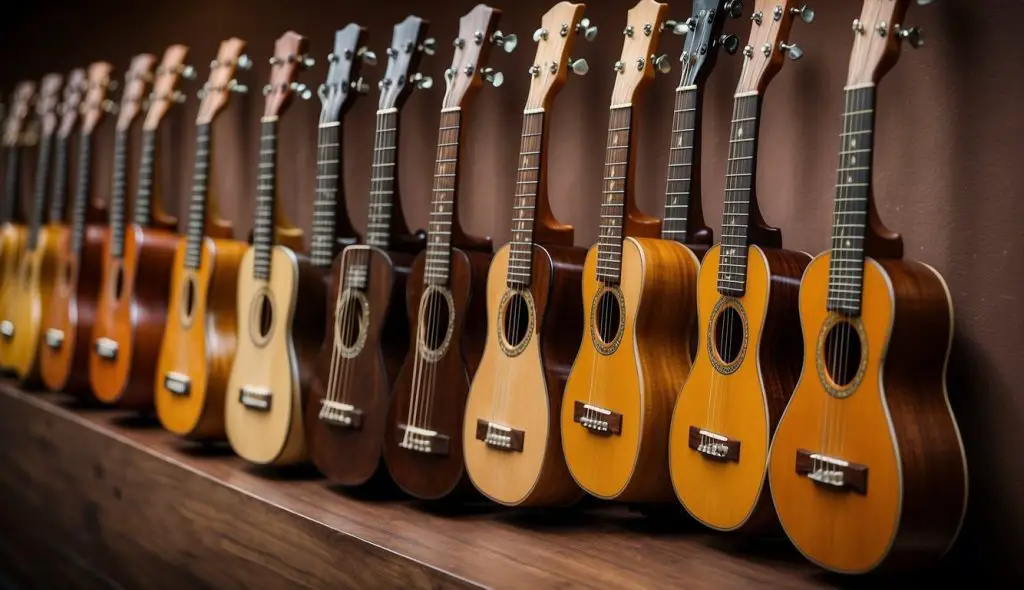
When I’m on the lookout for a new ukulele, I always consider skill level and brand reputation. Here’s a breakdown of some of the top picks across different expertise levels.
Best Ukulele Brands for Beginners
For those just starting out, ease of play and affordability are key.
- Kala: Kala is renowned for its quality beginner instruments that offer excellent value.
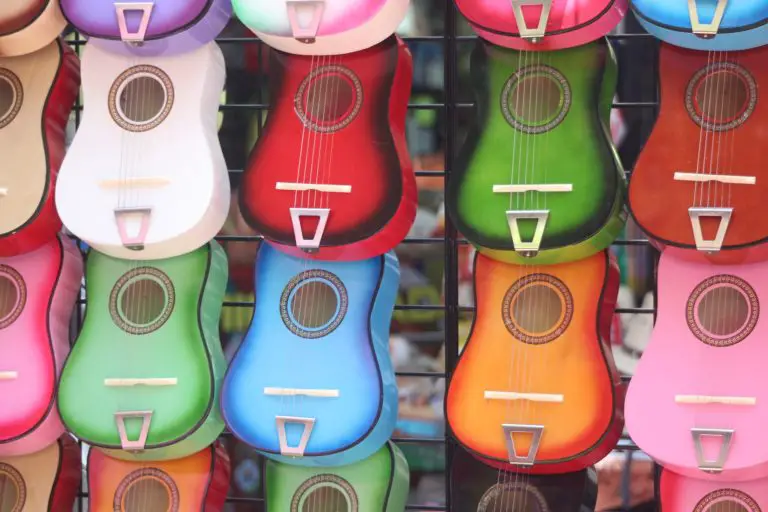
- Mahalo: With Mahalo ukuleles, beginners can enjoy a colorful selection that’s fun to play and gentle on the wallet.
Popular Brands for Intermediate Players
Intermediate players usually look for something that brings a richer sound and more playability without breaking the bank.
- Lanikai: Lanikai creates ukuleles with a warmer tone, suited for those looking to step up their playing.
- Luna: Luna ukuleles often feature artistic designs and provide a good balance between quality and price.
Premium Options for Professionals
Professionals seek exceptional craftsmanship and sound quality in their ukuleles, often turning to brands with historic prestige.
- Martin: Martin offers superbly crafted ukuleles with rich, full-bodied tones that many pros appreciate.
- Kamaka: As one of Hawaii’s original ukulele makers, Kamaka is synonymous with professional-grade instruments boasting traditional Hawaiian sound.
- 3,308 reviews — a genuinely solid entry point into the Kala range
- Mahogany body, warm rounded tone
- Good value for a beginner’s first proper instrument
- 340 reviews, consistently positive
- Warmer tone than entry-level Kala, suits players stepping up
- Holds its tune well — a known strength of this brand
- Over 10,000 reviews — a genuine Amazon success story among the budget-friendly brands
- Comes as a full kit, good if you want everything in one purchase
- Concert size, slightly fuller sound than soprano
- 126 reviews, solid feedback
- Built-in pickup if you want electric capability from the start
- Genuinely good craftsmanship for the price, as mentioned above
If you want a real starting point rather than just brand names, here’s one genuinely well-reviewed pick from each of the more accessible brands above. I haven’t included Kamaka, KoAloha, or Kanile’a here — they’re excellent, but they’re specialist Hawaiian instruments that aren’t realistically stocked through mainstream retailers, so Reverb or a dedicated ukulele dealer is a better bet if you’re seriously considering one.


If you do want to look into the premium Hawaiian brands — Kamaka, KoAloha, Kanile’a — secondhand and specialist marketplaces are genuinely the right place to look rather than general retail.
Understanding Ukulele Types and Sizes
When picking out a ukulele, the size and type directly influence the instrument’s tone and playability. Let’s explore the four main sizes: soprano, concert, tenor, and baritone.
Soprano Ukulele
The soprano ukulele is the smallest and most traditional size, delivering a classic, bright, and jangly sound associated with Hawaiian music. I find its compact size, typically around 20 inches in length, ideal for young players or individuals with smaller hands.
Concert Ukulele
A concert ukulele is a tad larger at around 23 inches, giving it a richer sound and slightly more volume than its soprano counterpart. It offers a comfortable balance between the soprano’s ease of handling and the larger ukulele’s fuller tones.
Tenor Ukulele
The tenor ukulele stretches to about 26 inches, granting even more space for finger placement and a deeper, mellower tone. It’s perfect for players like me who prefer a larger fretboard and a sound that cuts through mixtures of different instruments.
Baritone Ukulele
Finally, the baritone ukulele stands out at roughly 30 inches, with the deepest tone of them all. It’s tuned differently from the other three types, closer to the sound of a guitar, and provides a rich fullness that can be compared to a small classical guitar.
Each ukulele type brings a unique sound and feel, catering to various preferences and styles. Whether it’s the classic soprano or the deep baritone, there’s a ukulele size to match the music you’re drawn to play.
Materials and Build Quality to Look Out For
When picking out a ukulele, the materials used and the instrument’s construction are pivotal for both sound and durability.
Tonewoods
I like to think of tonewoods as the soul of a ukulele. Different woods impart unique tonal characteristics, and two of the most beloved are mahogany and koa wood.
- Mahogany: Known for its warm, rich tone, mahogany is a common choice for both the body and neck of ukuleles. It typically offers a well-rounded sound with an emphasis on midrange frequencies.
- Koa Wood: Originating from Hawaii, koa is highly sought after for its bright, clear sound and beautiful grain patterns. Koa ukuleles often produce a rich, resonant tone that matures over time, making them a preferred material for high-quality instruments.
Construction Features
The construction elements of a ukulele contribute significantly to its playability and sound quality.
Solid Wood vs. Laminate: I’ve noticed that ukuleles made from solid wood pieces tend to have superior sound resonance compared to laminate counterparts. While laminate is more affordable and resistant to humidity changes, solid wood ukuleles offer a tonal depth that’s hard to match.
Construction Quality: The way a ukulele is built affects its overall integrity. I always examine the seams and joints for tightness and ensure there’s no excess glue — signs that the ukulele was made with attention to detail.
- Design Features: Some design elements to look out for include a well-crafted nut and saddle, which should be made from quality materials as they influence the instrument’s intonation and sustain. The finish should be even and smooth, without impacting the wood’s resonance.
Things to Think About BEFORE Buying a Ukulele
When I’m considering a new ukulele, there are a few aspects I always contemplate. I want to ensure that my investment aligns with my musical ambitions, the necessities for playing different styles, and the accessories that might be needed for the best playing experience.
Ukulele for Various Music Styles
Whether I’m plucking out a melody for a pop song or strumming chords for a rock anthem, the design of the ukulele greatly influences its sound. I think about what music I’ll be playing:
- Pop: A concert or tenor ukulele typically offers versatility.
- Rock/Jazz: I prefer a ukulele with a cutaway design for easier access to higher frets.
- Party: A soprano ukulele with bright tones is easy to carry and great for social gatherings.
I also ensure the ukulele strings are of high quality, like Aquila Nylgut strings, which are well respected in the industry.
Accessories and Add-ons
My ukulele is not just about the instrument itself. Accessories can make a significant difference. Here’s a list I consider:
- Gig Bag: Crucial for protecting my ukulele when I’m on the move.
- Amp/Preamp: Necessary for performing in larger spaces; I look for ukuleles with built-in electronics.
- Extra Strings: Always handy to have, in case of a mid-performance snap.
Budget and Pricing
Staying within my budget is critical, and thankfully, there are options across all price ranges. Here’s how I approach this:
- Quality Ukuleles: Well-known brands like Cordoba, particularly the 15CM model, offer great craftsmanship without breaking the bank.
- Affordable Options: Sometimes I look for cheaper ukuleles, but I’m careful to check reviews to ensure they don’t compromise on sound.
- Investment: If I’m planning to play often, I see a higher priced ukulele as a long-term investment in my music.
Conclusion
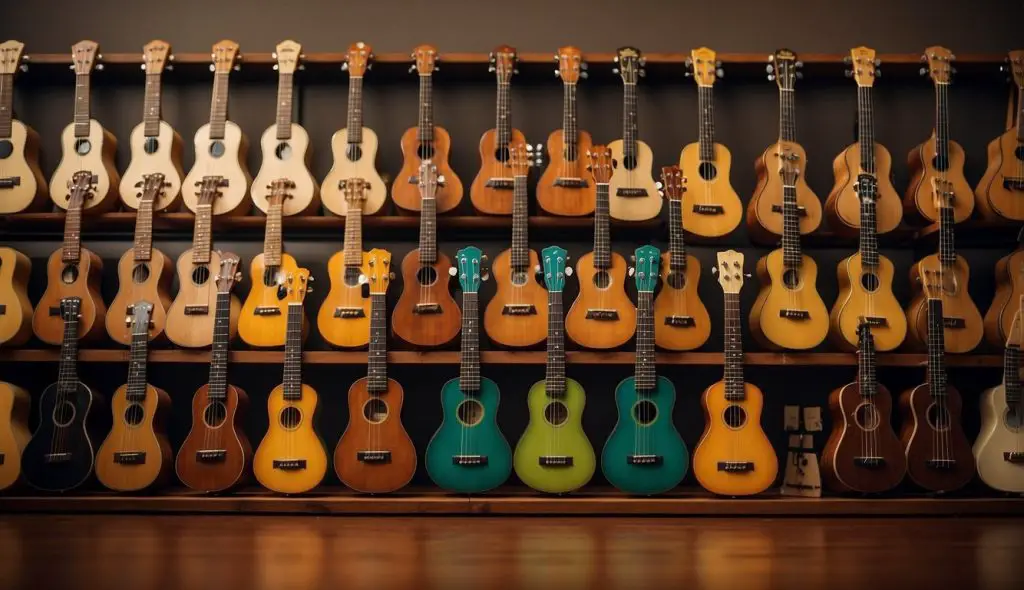
In my exploration of ukulele brands, I’ve been impressed with the quality craftsmanship that goes into creating these charming instruments. The best ukulele brands, to my ear, produce a sound that’s both warm and sweet, which is essential for that classic uke allure we all love. Brands like Kamaka, KoAloha, and Kanile’a have not only great reputations but also consistently deliver on sound.
I’ve found that a uke’s quality isn’t just about the price tag; it’s the attention to detail and the love that goes into building each piece.
For those venturing into the fun world of u-bass, brands like Kala are at the forefront, offering a unique twist on the traditional ukulele experience. Here’s a snapshot of brands that I believe stand out in the ukulele world:
| Brand | Quality | Sound Signature | Notable Product |
|---|---|---|---|
| Kamaka | High | Warm, resonant | HF-3 Tenor Ukulele |
| KoAloha | High | Bright, sweet | KTM-00 Tenor Ukulele |
| Kanile’a | High | Rich, full | K-1 Tenor Ukulele |
| Kala | Varied | Broad range, accessible | UBASS-EM-FS |
Remember, my final word on the subject is this: the best ukulele is the one that feels right in your hands and brings joy to your music. Whether you’re serenading friends or rocking a solo on a u-bass, the right ukulele can make all the difference. Happy strumming!
The Legacy and Evolution of Ukulele Brands
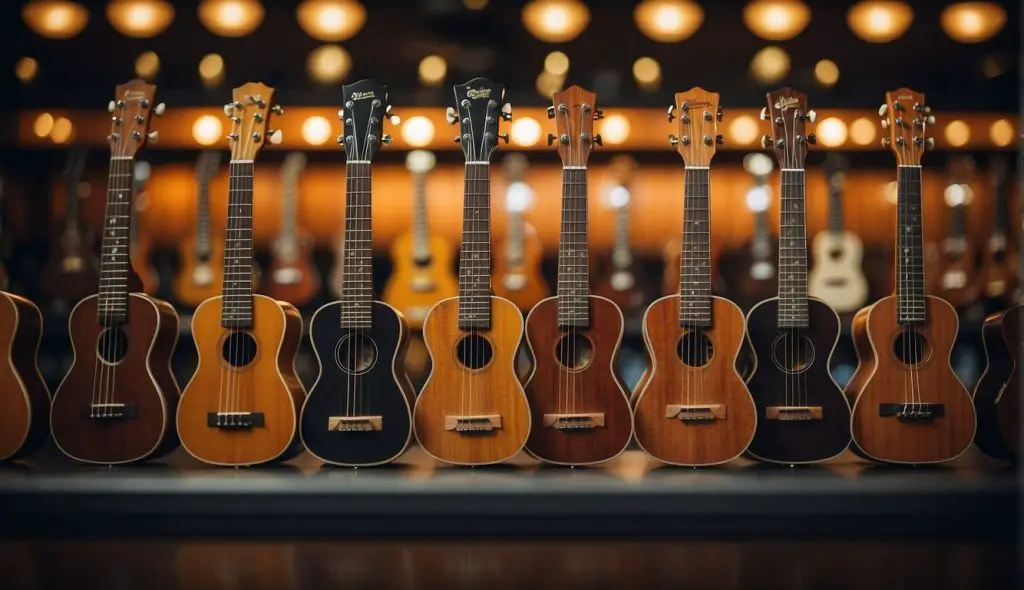
In the rich tapestry of musical instruments, the ukulele stands out for its accessibility and charm, with brands like Kamaka and Martin being synonymous with quality and tradition. As I unravel the story of these brands, I’ll also explore the innovations that have continued to make the ukulele a beloved string instrument worldwide.
Historical Background of Brands
The journey of ukulele brands begins in Hawaii, where Portuguese immigrants introduced small guitar-like instruments in the 19th century. Kamaka, for example, is a pioneering brand established in 1916 and is known for its handcrafted ukuleles that have become collectible items.
Another classical brand, Martin, initially a guitar brand, ventured into ukulele production in the 20th century and became one of the most revered names in the industry.
| Brand | Founded | Notable Contributions |
|---|---|---|
| Kamaka | 1916 | Handcrafted, high-quality ukuleles |
| Martin | 1833† | Expansion from guitars to ukuleles |
† Martin was founded in 1833 but later expanded into ukulele manufacturing.
Other noteworthy manufacturers include Kala, which offers a range of ukuleles that suit beginners and professionals alike, and Lanikai, whose instruments cater to both traditional ukulele enthusiasts and contemporary musicians.
Ohana, a brand known for its consistent quality and affordability, also contributes to the rich history of ukulele manufacturing.
Innovations in Ukulele Manufacturing
Innovation in ukulele manufacturing has kept this musical instrument relevant and popular. For example, KoAloha and Ko’olau stand out for their high-quality craftsmanship and use of native Hawaiian woods.
Meanwhile, Oscar Schmidt by Washburn delivers affordability without compromising on quality, often providing a warranty as a testament to the confidence in their instruments.
Brands like Luna Ukulele, Lohanu Ukulele, and Donner have made a splash on platforms like Amazon due to their unique designs and value for money, often becoming popular choices for new players.
Furthermore, companies like Hohner and Yvonne de Villiers’ Luna Guitars exemplify innovation by creating ukuleles with distinctive aesthetics that appeal to a broad audience.
With the evolution of these brands, musicians can select from a spectrum of ukuleles that reflect both golden-age craftsmanship and modern musical innovation, ensuring the instrument’s popularity endures.
Frequently Asked Questions
In my experience as a ukulele enthusiast, I’ve come across a range of brands that cater to different skill levels and budgetary requirements.
I’ll address some of the most common queries to help guide you through the process of choosing the right ukulele brand for your needs.
What are the top choices for beginner ukulele players?
For beginners, I recommend brands like Kala, Makala, and Mahalo. These brands are known for producing reliable instruments that are perfect for getting started without breaking the bank.
Which ukulele brands offer the best value for money?
If you’re looking for the best bang for your buck, check out brands such as Cordoba and Lanikai. These manufacturers provide a great blend of quality craftsmanship and affordability.
Can you list some professional-grade ukulele manufacturers?
Professional players often gravitate towards brands like Kamaka, KoAloha, and Kanile’a. These Hawaiian-based companies are revered for their high-quality woods and impeccable construction.
What are suitable ukulele options for children?
For children, ukuleles by Hola! and Kala’s Waterman series are excellent options. They are durable, easy to play, and come in a variety of fun colors.
How much should I expect to spend on a high-quality ukulele?
A high-quality ukulele can cost anywhere from $100 to several thousand dollars. Brands like Kamaka and Martin sit at the higher end of the spectrum, reflecting the craftsmanship and materials used.
Are there certain ukulele brands I should consider avoiding?
While I prefer not to disparage any brands, I advise you to be cautious of extremely low-priced ukuleles from no-name brands, as they can often be poorly made and hinder the learning process.
Author Profile

- Daniel Johnstone — Dániel to his friends back in Miskolc — is a Hungarian folk musician and writer who has been playing stringed instruments for over twenty years. Growing up in northeastern Hungary with a family steeped in folk music, he developed an early obsession with Celtic and Appalachian styles that eventually brought him to the UK. He worked his way through tenor banjo, 5-string banjo, autoharp, mountain dulcimer, mandolin, ukulele, harp and kalimba — most of them acquired through trial, error and more money than he'd like to admit. He founded Folkstrings.com to cut through the noise: practical, experience-based guides to instruments, strings, gear and accessories for folk players at every level.
Latest entries
 Useful ToolsJuly 15, 2026Violin Fingering Chart — First Position Notes on All Four Strings
 BanjoJuly 14, 2026Is Banjo Hard to Learn? Here’s What Nobody Tells You
 MandolinJuly 14, 2026Online Mandolin Lessons — What YouTube Can’t Teach You (And What Can)
 Useful ToolsJuly 13, 2026Recorder Fingering Chart — Complete Guide for Soprano Recorder (Baroque and German)