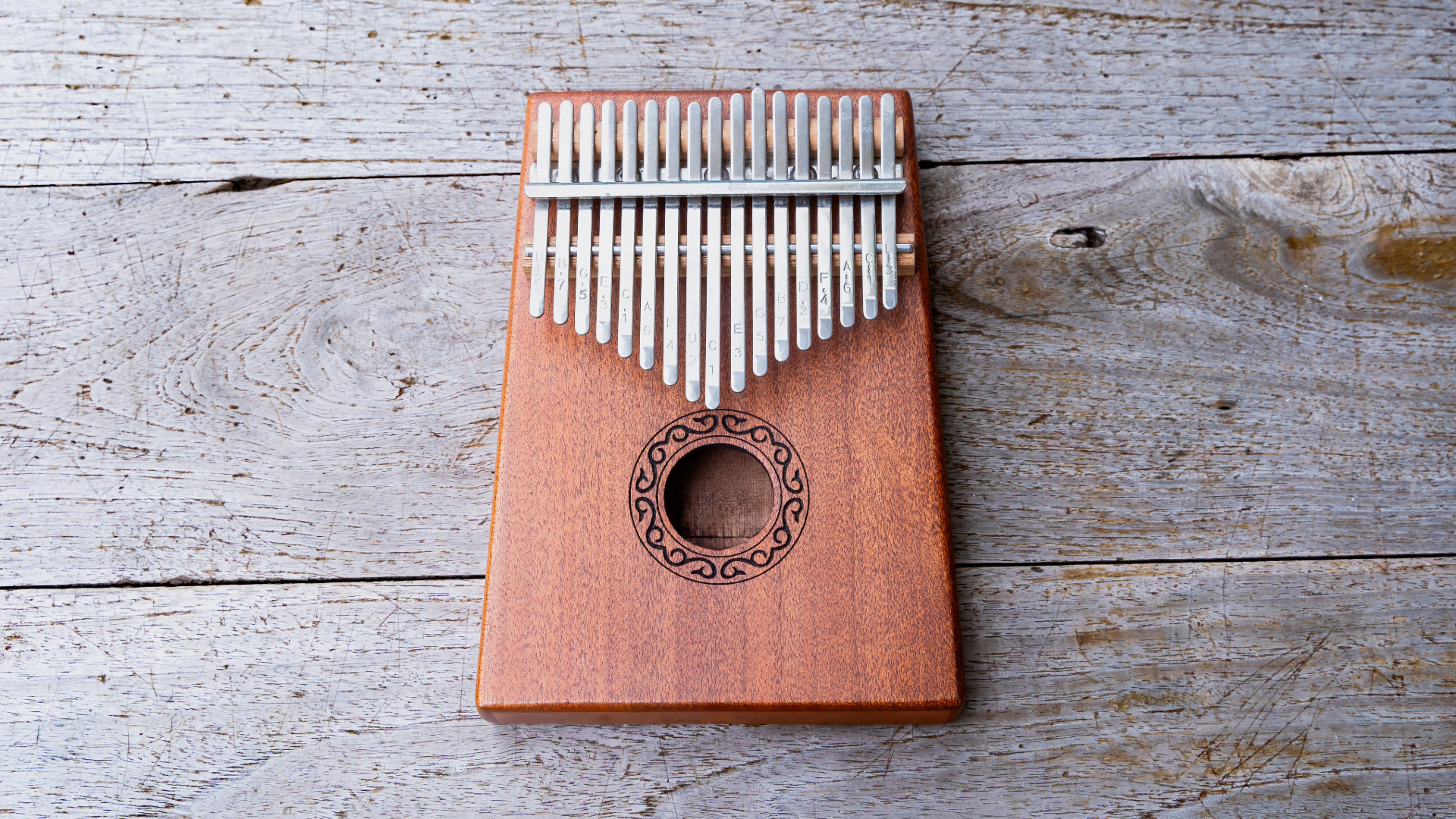
What is the Best Kalimba for Beginners: Top Picks for New Players
Folkstrings.com is reader-supported. When you buy through links on our site, we may earn a small commission.
Last Updated on June 30, 2026 by folkstrings
A good beginner kalimba comes down to three things: pre-tuned tines, solid build quality, and a fair price. Here are the three I’d point a new player toward.
What is the Best Kalimba for Beginners: My Top 3 Picks
When I began exploring the world of kalimbas, I uncovered three top picks that are excellent for beginners. These choices strike a balance between affordability, sound quality, and ease of use.
Newlam Kalimba 17 Keys Thumb Piano

- The most-reviewed kalimba on Amazon with over 15,000 ratings — as reliable a signal as you get
- 17 keys tuned to C major straight out of the box — no setup required
- Comes with a tuning hammer, protective bag and instruction booklet
- Mahogany body gives a warm, rounded tone that suits folk and contemporary playing
The most popular beginner kalimba on Amazon for a reason — it sounds good, comes pre-tuned, and includes everything you need to get started. The mahogany body gives a warm tone that suits most playing styles.
GECKO Kalimba 17 Keys with Waterproof Protective Box

- One of the most complete starter packages — includes waterproof protective case, tuning hammer and study booklet
- Mahogany body with clean, resonant tone and good sustain for the price
- Pre-tuned to C major and well-balanced — keys are responsive without being stiff
- 9,000+ reviews at 4.8 stars — consistently well-regarded by beginners
A step up in terms of the bundle — the waterproof hard case is genuinely useful for keeping your kalimba protected. Build quality is solid and the tone is clean. A reliable choice if you want the full starter kit in one purchase.
Moozica K17K Solid Koa Wood Kalimba

- Solid koa wood body — noticeably brighter and more articulate tone than mahogany
- High-gloss lacquer finish with note names engraved on the tines
- Comes with a professional PU leather hard case — well protected for travel
- Worth the step up if you know you’re going to take it seriously
The premium option here. Solid koa wood produces a noticeably brighter, more resonant sound than mahogany. If you’re confident you’re going to take the kalimba seriously, the step up in quality is worth it.
Each of these kalimbas has a chromatic scale version available if you’re looking to play more complex music as you advance. Remember, the best kalimba for you will align with your personal preferences and budget.
Choosing the Right Kalimba
When selecting a kalimba, I consider factors like build quality, tone range, and portability crucial, especially for beginners. This guide will help you pick the ideal thumb piano to start your musical journey.
Materials and Build Quality
I’ve found that the material of a kalimba greatly affects its sound quality and durability. Kalimbas made of mahogany are popular due to their warm, resonant sound. For a brighter tone, koa wood is an excellent choice, known for its beautiful grain and clear vibration. Other woods like walnut and acacia are also used, providing a variety of sounds and aesthetics. The quality of the wood not only influences the resonance but also the sustain and overtones that enrich the music’s texture.
- Mahogany Wood: Warm, deep tones with good sustain
- Koa Wood: Bright, rich tones with clear overtones
- Acacia & Walnut: Varied tonal characteristics
Regardless of wood type, ensure that the kalimba comes with a tuning hammer for easy maintenance.
Type and Range of Tones
The range of tones your kalimba can produce is pivotal. For beginners, a 17-key kalimba is a stellar choice, typically tuned to C Major with a mixture of naturals, sharps, and flats. You’ll have a wide variety of notes to play most songs. If you’re interested in non-Western music or alternative tunings, you may want a kalimba with more keys, like a 21-key model, which provides a greater range.
- 17-Key Kalimba: Best for beginners, versatile for most music
- 21-Key Kalimba: Offers extended range for advanced pieces
The key arrangement and access to A Minor can also be a consideration based on the type of music you wish to play.
Size and Portability
The size of your kalimba makes a difference in terms of portability and playability. A compact and lightweight kalimba can be taken anywhere, which is great for practice or performance. An 8-key kalimba might be too limited in range but is extremely portable, while a 17-key kalimba strikes a balance between size and musical capability.
- 8-Key Kalimba: Highly portable, limited range
- 17-Key Kalimba: Balanced size and range, good for beginners
Lastly, comfort is key, so the kalimba should fit well in your hands, ensuring an enjoyable playing experience.
What Accessories and Add-ons do I Need?
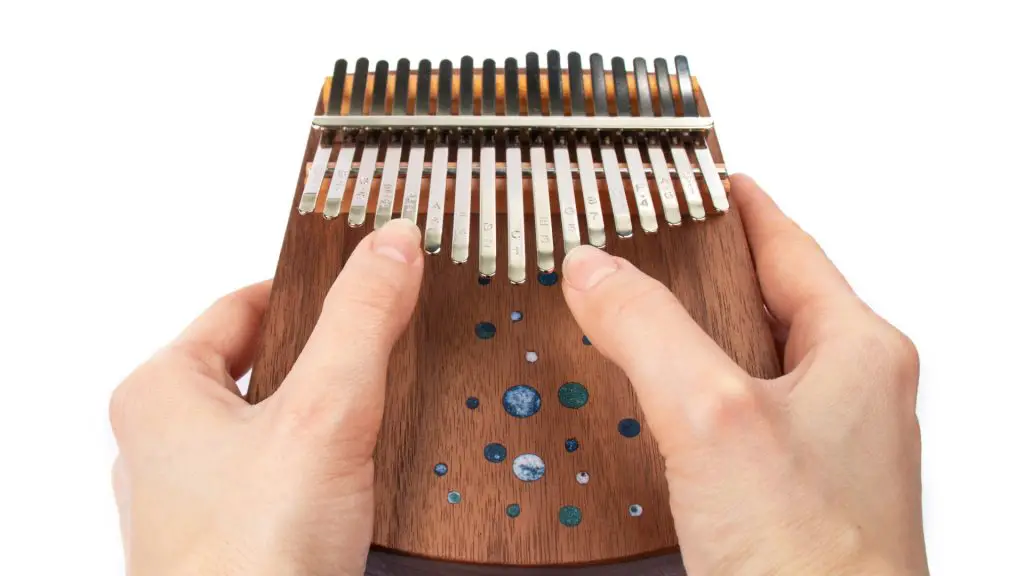
When I first started playing the kalimba, I realized that having the right accessories made a significant difference. It’s not just about having a kalimba; it’s about the full experience which includes tuning, protection, and learning tools to help me along my musical journey. Let’s get into the specific accessories I found beneficial as a beginner.
Tuning and Protection
First things first, to keep my kalimba sounding beautiful, tuning is essential. For this, I use a tuning hammer, which is handy for making small adjustments to the tines. It’s a simple tool but crucial for maintaining the right sound.
As for protection, a flannelette bag or protective case helps me keep my kalimba safe from dust and spills. I prefer a hard case for extra security when I’m traveling. Keeping my kalimba clean is also important, and that’s where a cleaning cloth becomes useful.
- Must-Have Accessories:
- Tuning hammer
- Flannelette bag / Protective case (Hard case recommended for travel)
- Cleaning cloth
Learning Tools
In terms of learning tools, thumb piano key stickers were a game changer for me. They helped me quickly identify notes and learn songs more easily. Along with key stickers, a study guide or instruction book often comes with a beginner kalimba and offers structured lessons to start off on the right foot.
For a song book, I’d skip generic sheet music and go straight for a dedicated kalimba tab book. The one I’d recommend for beginners doesn’t require you to read musical notation at all — it uses a simple circle-based system where you just follow the pattern on the page. It’s the fastest way to start playing recognisable songs.

- 65 familiar songs arranged for kalimba — no ability to read sheet music required
- Uses a simple circle-based tab system so you can start playing immediately
- Covers a wide range of styles from folk to classical to pop
- One of the best-reviewed beginner kalimba books on Amazon
For extended practice sessions, finger protectors are also worth considering — they prevent soreness while your thumbs build up tolerance to the tines.
- Recommended Learning Tools:
- Thumb piano key stickers
- Instruction book / Study guide
- Sheet music / Song book
- Finger protectors
By equipping myself with these add-ons, I found that my practice sessions were more effective, and my performances improved significantly. Plus, I was able to keep my kalimba in great condition, ensuring a delightful musical experience every time.
How to Start Playing the Kalimba
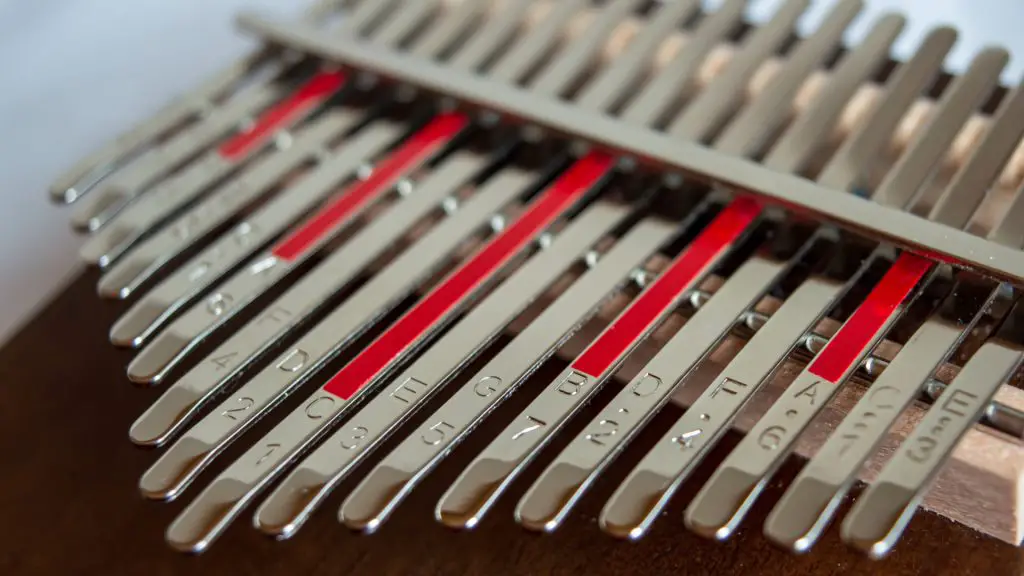
When I began my journey with the kalimba, I quickly realized the importance of mastering the fundamental techniques. Let me guide you through the initial steps of learning this enchanting musical instrument. It’s ideal for both children and adults seeking the joy of creating uplifting melodies.
Basic Techniques and Practice
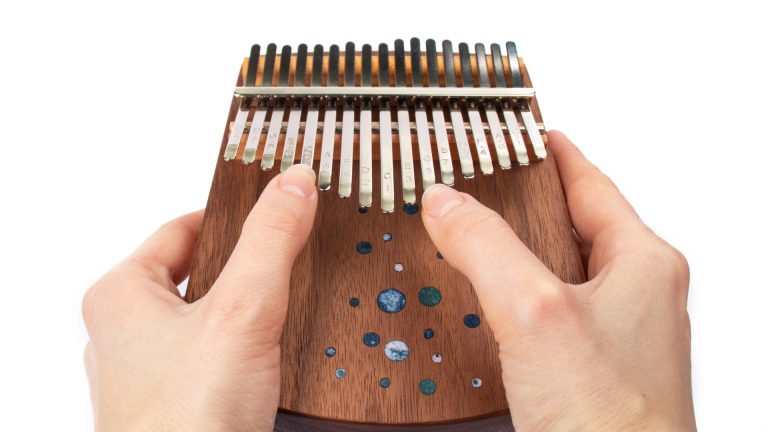
My first recommendation is to get familiar with holding the kalimba. I make sure that the instrument feels comfortable in my hands, with my thumbs resting naturally on the tines. Proper posture is crucial, as it sets the stage for effective playing technique and prevents fatigue during longer practice sessions.
To start making music, I focus on striking the tines. Using my thumbs to pluck the tines gently but firmly produces a clear, resonant sound. The kalimba’s simplistic design makes it easy to play, with the arrangement of the tines often intuitive for beginners to follow.
A practice routine is essential for improvement. I always set aside time for regular practice, even if it’s just a few minutes each day. Beginning with basic scales helps me to become acquainted with the layout of the kalimba and to develop muscle memory.
| My Daily Practice Routine |
|---|
| 5 minutes of thumb exercises |
| 10 minutes practicing scales |
| 15 minutes learning new songs |
Playing Your First Songs
Once I’ve grasped the basics, I find it encouraging to learn simple songs. Beginners can start with melodies that use only a few tines, allowing for a quick sense of achievement which is great for motivation. I started with nursery rhymes and folk tunes, which often have repetitive patterns and fewer notes.
To keep track of my progress, I maintain a song list that grows as I learn:
- “Twinkle Twinkle Little Star”
- “Happy Birthday”
- Simple African melody
Remembering to use the sound hole can add depth to my performance. By covering and uncovering the hole with my fingers or palms, I modulate the sound, creating a wah-wah effect that adds to the expressiveness of the instrument.
Indeed, the kalimba, with its roots tied to the mbira from Africa, is more than a beginner’s musical instrument; it’s a gift of peace and comfort for the soul.
As my skill level increases, the doorway to more complex pieces and performance opportunities opens, providing a truly rewarding musical experience.
Frequently Asked Questions
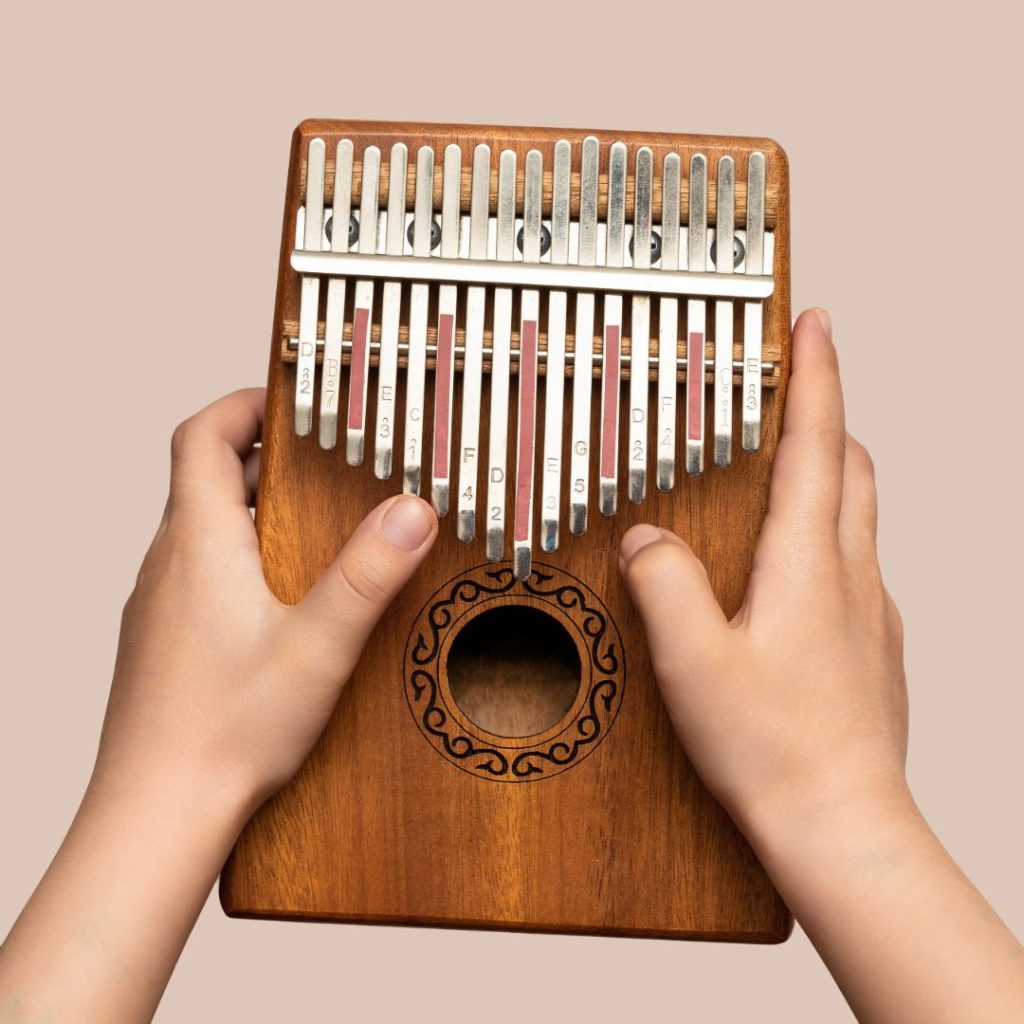
In my experience helping beginners choose their first kalimba, I’ve noticed a few questions come up frequently. Here are specific answers to help you start your musical journey with confidence.
What should I look for when choosing my first kalimba?
I recommend looking for a kalimba with clear, sustained tones and one that’s made from quality wood for better resonance. The tines should be comfortable and not too stiff for your thumbs.
Do check my kalimba recommendations above.
Is it better for beginners to start with a 17-key or a 21-key kalimba?
Starting with a 17-key kalimba is usually better for beginners. It’s simpler and still allows you to play a wide range of songs while you’re learning the fundamentals.
Are there specific kalimba brands recommended for new players?
Yes, brands like Gecko and Kimi are well-regarded for their quality and beginner-friendliness. They often come with learning materials that are very helpful
Author Profile

Latest entries
 Useful ToolsJuly 15, 2026Violin Fingering Chart — First Position Notes on All Four Strings
 BanjoJuly 14, 2026Is Banjo Hard to Learn? Here’s What Nobody Tells You
 MandolinJuly 14, 2026Online Mandolin Lessons — What YouTube Can’t Teach You (And What Can)
 Useful ToolsJuly 13, 2026Recorder Fingering Chart — Complete Guide for Soprano Recorder (Baroque and German)