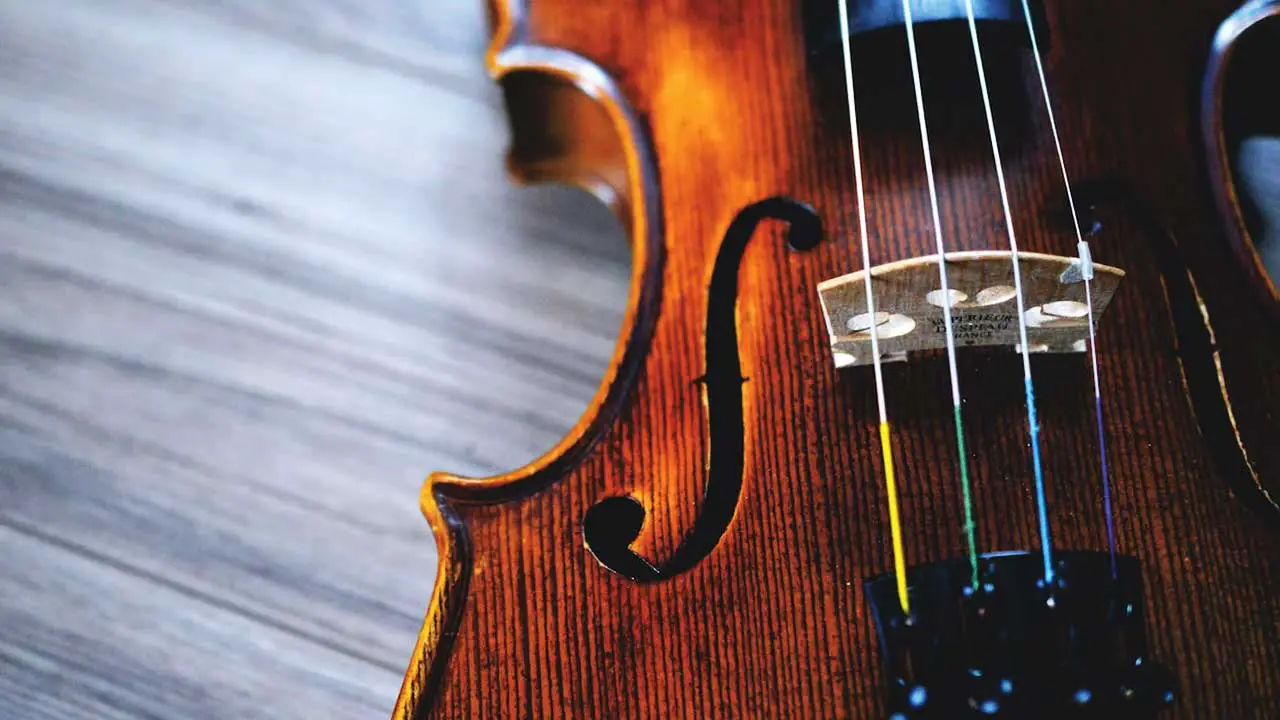
Violin or Guitar, Which One Should I Learn First?
Folkstrings.com is reader-supported. When you buy through links on our site, we may earn a small commission.
Last Updated on June 21, 2026 by folkstrings
I get asked this a lot, usually by a parent trying to pick an instrument for a kid, or an adult who can’t decide where to start. Honest answer: start with guitar. Here’s why, and where I’d actually push back on the usual reasoning people give for it.
The Real Difference Isn’t “Harder,” It’s “Forgiving”
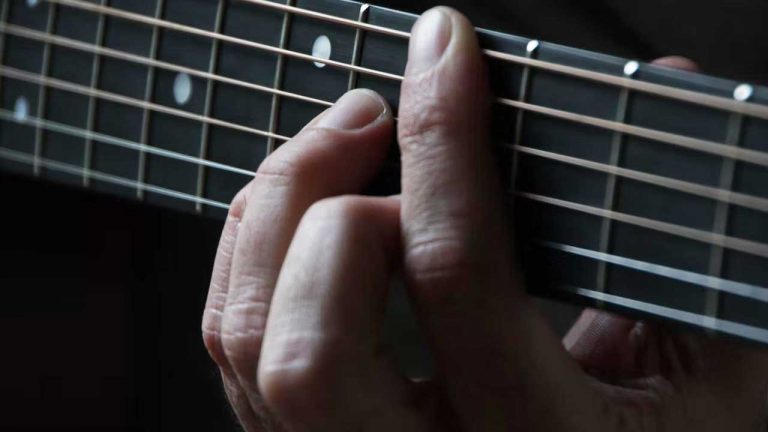
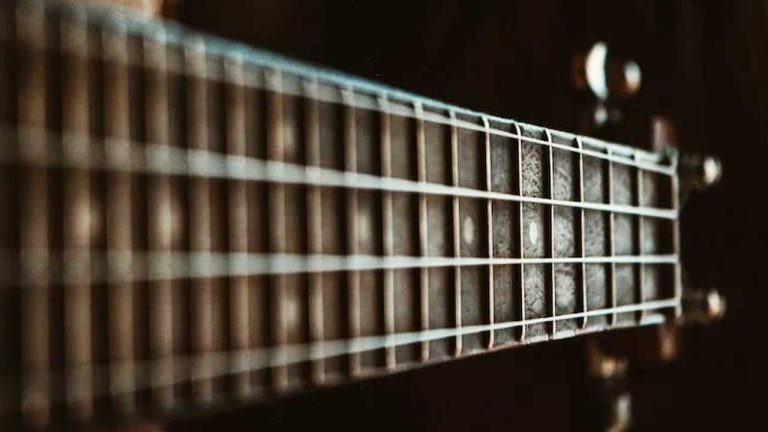
People say violin is harder than guitar, and they’re not wrong, but the reason usually gets mangled. It’s not about finger strength or coordination. It’s that guitar has frets and violin doesn’t. On a guitar, the fret tells you exactly where the note is — press behind it, you’re in tune, every time. On a violin, there’s nothing there. You’re placing your finger by ear and muscle memory alone, and if you’re a millimetre off, it’s audibly out of tune. That’s the entire ballgame. Guitar forgives you while you build skill. Violin doesn’t.
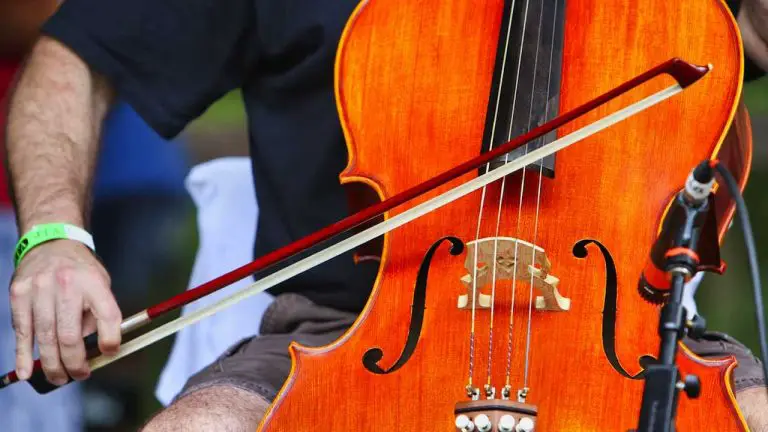
Then there’s the bow. Guitar’s right hand is forgiving too — strum roughly in the right spot with a pick or your fingers and you get a sound. Bowing a violin cleanly, at a consistent pressure and angle, without it sounding scratchy, is its own multi-month skill entirely separate from anything your left hand is doing. You’re learning two genuinely hard things at once from day one.
So Which Should You Actually Learn First?
Guitar, for almost everyone. Not because violin isn’t worth learning — it absolutely is — but because guitar gives you faster wins. You can learn three chords in a week and play actual songs. That early payoff is what keeps most people practising long enough to get good at anything. Violin’s payoff is slower and the early weeks can sound genuinely rough, through no fault of your own — that’s just where every violinist starts.
The exception: if you specifically want to play fiddle tunes, Irish trad, or classical repertoire and the guitar holds zero appeal to you, just start on violin. Motivation matters more than sequencing. I’d rather see someone start on the “harder” instrument they’re excited about than the “easier” one they’re not.
How Long Until You’re Actually Decent?
Realistically: a few months of regular practice gets you playing real songs on guitar. Violin, you’re looking at six months to a year before it stops sounding like you’re strangling a cat, and that’s normal, not a sign you’re bad at it. Anyone who tells you violin “clicks” faster than that is either exceptional or not being honest with you.
Frequently Asked Questions
Can I learn both at the same time?
You can, but I wouldn’t recommend it as a true beginner. The early stages of any instrument need focused, repetitive practice to build muscle memory, and splitting that across two instruments — especially two this different — slows both down. Get genuinely comfortable on one first.
Does guitar experience help with violin, or vice versa?
Some theory and ear-training carries over, but the physical technique barely transfers at all. Fretting a guitar string and placing a violin finger by ear are different skills built from scratch.
Conclusion
Start with guitar if you want quick wins and don’t have a strong pull toward violin specifically. If you want my actual picks for a first guitar, see my beginner guitar guide. If you end up curious about the violin’s folk cousin instead, my fiddle vs violin breakdown is worth a read too.
Author Profile

- Daniel Johnstone — Dániel to his friends back in Miskolc — is a Hungarian folk musician and writer who has been playing stringed instruments for over twenty years. Growing up in northeastern Hungary with a family steeped in folk music, he developed an early obsession with Celtic and Appalachian styles that eventually brought him to the UK. He worked his way through tenor banjo, 5-string banjo, autoharp, mountain dulcimer, mandolin, ukulele, harp and kalimba — most of them acquired through trial, error and more money than he'd like to admit. He founded Folkstrings.com to cut through the noise: practical, experience-based guides to instruments, strings, gear and accessories for folk players at every level.
Latest entries
 BanjoJuly 14, 2026Is Banjo Hard to Learn? Here’s What Nobody Tells You
 MandolinJuly 14, 2026Online Mandolin Lessons — What YouTube Can’t Teach You (And What Can)
 Useful ToolsJuly 13, 2026Recorder Fingering Chart — Complete Guide for Soprano Recorder (Baroque and German)
 UkuleleJuly 12, 2026Gifts For Ukulele Players: 10 Best Picks