Best Autoharp Tuning Wrench: Why the Grover 8020 Is the Standard Choice
Folkstrings.com is reader-supported. When you buy through links on our site, we may earn a small commission.
Last Updated on June 9, 2026 by folkstrings
This post contains affiliate links. If you buy through a link on this page, I may earn a small commission at no extra cost to you.
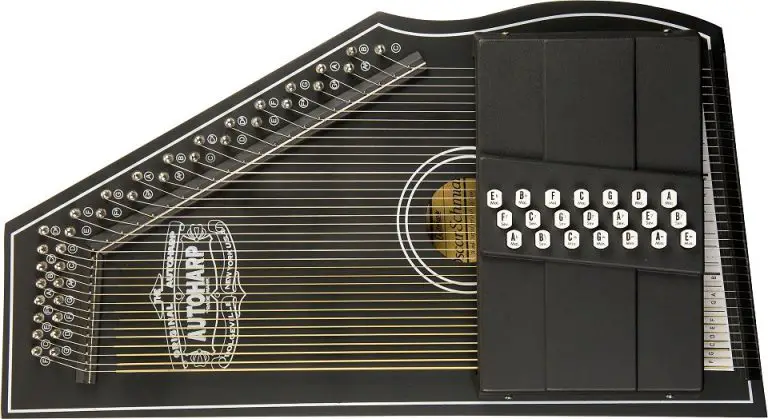
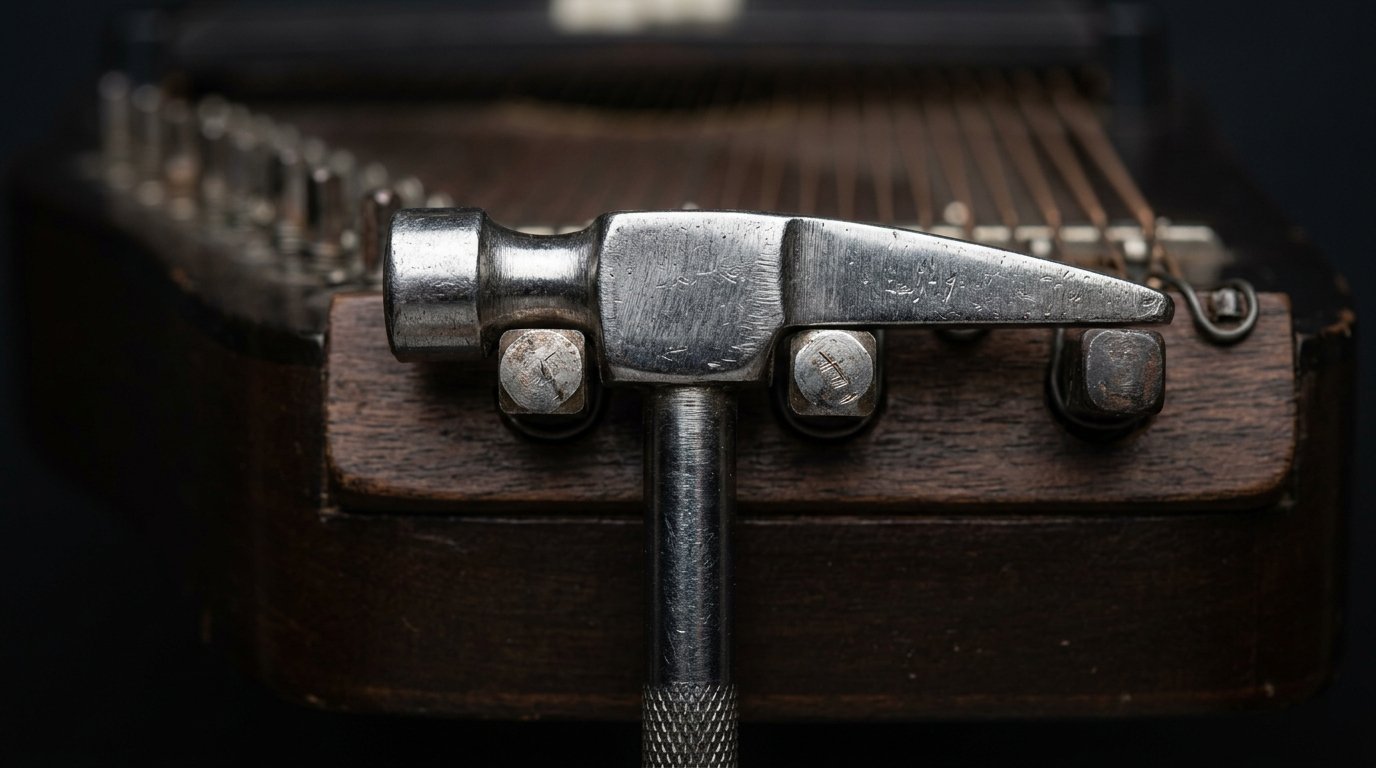
Autoharp tuning pins are not the same size as guitar tuning pegs. A standard guitar tuner, string winder, or general-purpose tuning tool won’t fit — you need a wrench designed specifically for the autoharp’s square tuning pins. The Grover 8020 is the one that most players use, and for good reason.
Grover 8020 Autoharp Tuning Hammer
Price: $8.55 | Rating: 4.3★ (364 reviews)
The Grover 8020 has been the standard autoharp tuning wrench for a long time. It fits the square tuning pins found on most Oscar Schmidt autoharps and gives you enough leverage to make clean, precise adjustments without risking damage to the pins.
At $8.55 it’s about as inexpensive as a purpose-built instrument tool gets. There are no meaningful alternatives at this price point that have a comparable track record — the Grover is simply what autoharp players use, and 364 reviews at 4.3★ reflects that it does the job reliably.
A Note on Tuning the Autoharp
Tuning an autoharp takes patience regardless of which wrench you use. With 36 strings, each small adjustment on one string can subtly affect the overall tension balance. Work methodically from the lowest strings upward, and expect a full tuning session to take 15–20 minutes until you get a feel for it. After a fresh restring the strings will need several tuning passes over a few days as they stretch in — this is normal and not a sign anything is wrong.
What About Generic Options?
There are generic zither and autoharp tuning hammers available at similar or lower prices. In practice, the Grover 8020 is so affordable already that there’s no compelling reason to look elsewhere. It’s the known quantity with a solid review history, and at under $10 the price difference with generic alternatives is negligible.
What Else You’ll Need
The wrench handles the physical adjustment, but you’ll need a chromatic clip-on tuner to know what you’re tuning to. And if you’re restringing at the same time, check that you have the right autoharp strings for your model before you start — loop end and ball end strings are not interchangeable.
Author Profile

- Daniel Johnstone — Dániel to his friends back in Miskolc — is a Hungarian folk musician and writer who has been playing stringed instruments for over twenty years. Growing up in northeastern Hungary with a family steeped in folk music, he developed an early obsession with Celtic and Appalachian styles that eventually brought him to the UK. He worked his way through tenor banjo, 5-string banjo, autoharp, mountain dulcimer, mandolin, ukulele, harp and kalimba — most of them acquired through trial, error and more money than he'd like to admit. He founded Folkstrings.com to cut through the noise: practical, experience-based guides to instruments, strings, gear and accessories for folk players at every level.
Latest entries
 BanjoJuly 14, 2026Is Banjo Hard to Learn? Here’s What Nobody Tells You
 MandolinJuly 14, 2026Online Mandolin Lessons — What YouTube Can’t Teach You (And What Can)
 Useful ToolsJuly 13, 2026Recorder Fingering Chart — Complete Guide for Soprano Recorder (Baroque and German)
 UkuleleJuly 12, 2026Gifts For Ukulele Players: 10 Best Picks