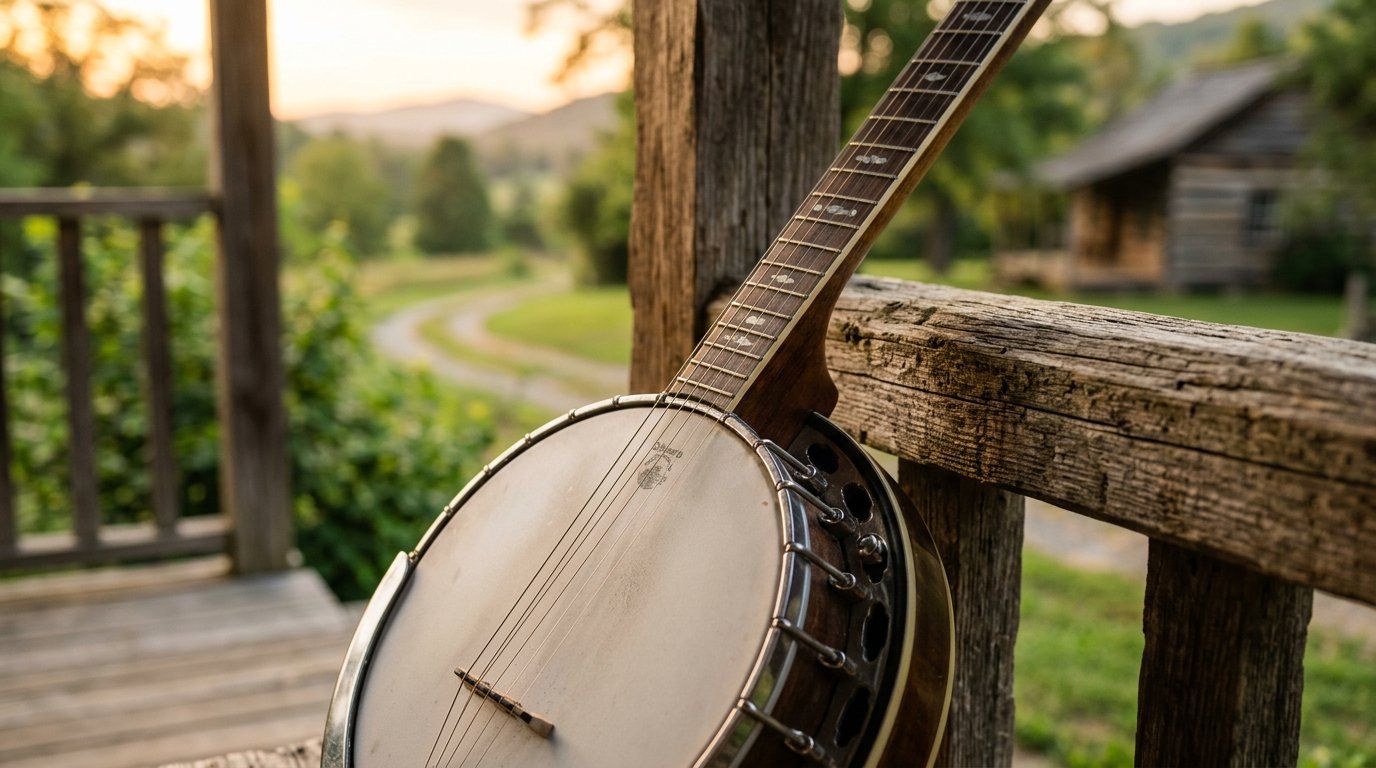
Best Banjo for Beginners: My Top Picks Across Every Budget
Folkstrings.com is reader-supported. When you buy through links on our site, we may earn a small commission.
Last Updated on June 29, 2026 by folkstrings
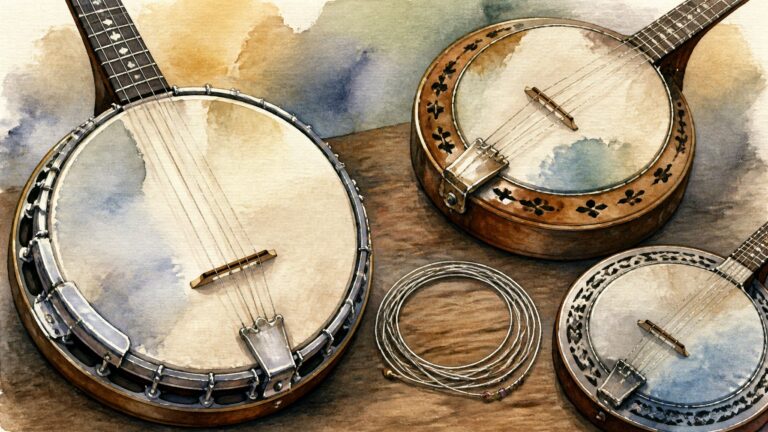
Banjo’s one of the most distinctive instruments in folk and bluegrass, but the beginner market is flooded with near-identical kits. I’ve narrowed it down to seven with a genuine reason to exist — real branded instruments if you’re sticking with it, and budget kits if you just want to test the water first.
Before the Picks: Open-Back or Resonator?
One quick decision that matters more than brand: open-back banjos have an exposed drum, giving a softer, mellow tone — the traditional choice for old-time and clawhammer styles. Resonator banjos have a closed back that throws sound forward for more volume, which is why bluegrass players use them almost exclusively. The Ashthorpe and Vangoa below ship as resonators but convert to open-back by removing the back plate, so you’re not locked in either direction. The AKLOT and Goodtime are open-back only.
The Real Brands
These are genuine specialist-made instruments rather than generic imports with a banjo shape — worth it once you know you’re actually sticking with this.
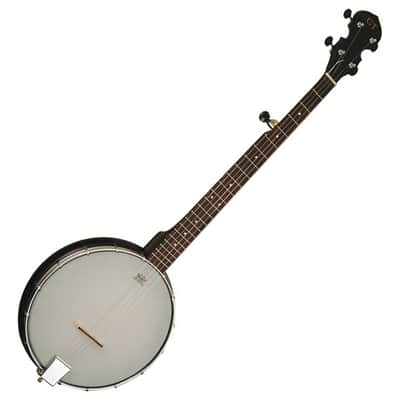
Gold Tone AC-1
- A genuine specialist banjo maker, not a generic import kit
- Composite rim — more consistent tone than the wood rims above, under 4 lbs
- Worth knowing: Gold Tone describes this as set up in their Florida shop, not manufactured there — a real distinction from the Goodtime below
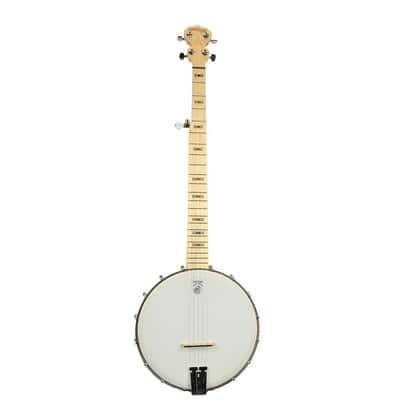
Deering Goodtime
- The banjo music teachers actually recommend
- Made entirely in Spring Valley, California — accurate intonation and proper fret work out of the box
- Holds resale value well if you stop playing after a few months
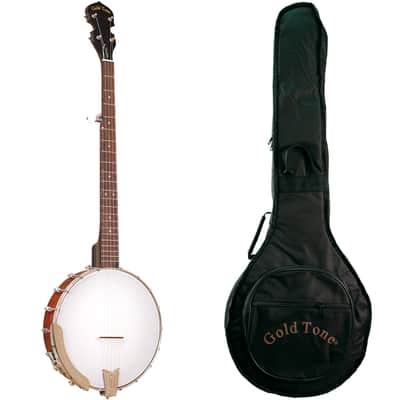
Gold Tone CC-50 Cripple Creek
- A genuine step up from the AC-1 — rolled brass tone ring adds real punch and sustain a composite rim can’t match
- Same trusted Gold Tone setup process, just a noticeably richer voice
- A solid first banjo, and an honest second one if you outgrow a cheaper kit
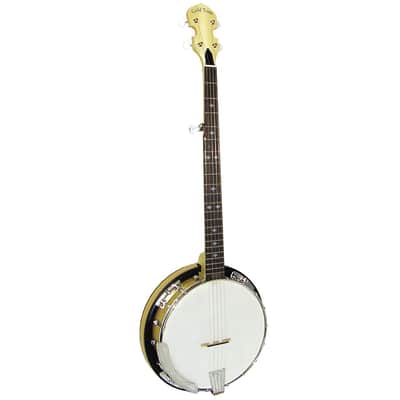
Gold Tone CC-100R
- A genuine resonator banjo, built for the volume and projection bluegrass actually needs
- Convertible — remove the resonator for a mellower open-back tone whenever you want
- The pick if you already know you want that bright, cutting bluegrass sound specifically
Something nobody warns you about: that short 5th string isn’t a mistake or a manufacturing quirk — it only runs partway up the neck and you’re not meant to fret it like a normal string. It just drones underneath everything else you play. I remember trying to fret it like the other four the first time I picked one up and getting genuinely confused silence. The second it clicked, the whole instrument made sense.
The Budget Kits
If you just want to find out whether banjo actually clicks for you without spending much, these three are the ones worth considering — all generic-import builds, all genuinely fine for a first few months of learning.

AKLOT 5-String Open Back
- Clean maple tone for the money — won’t blow you away, won’t hold you back either
- Lighter build, well suited to folk and old-time styles
- The pick if price is genuinely the deciding factor

Ashthorpe 5-String
- Highest customer rating in the beginner price range
- Removable resonator — switch between resonator and open-back tone without buying two banjos
- The wiser starting point if you’re not yet sure you’ll stick with it

Vangoa 5-String with Resonator
- The most-reviewed beginner banjo on Amazon
- Comes with everything included — tuner, strap, picks, gig bag, no second shopping trip
- A genuinely complete out-of-the-box starting point
What to Know Before You Buy
A few things worth knowing going into a first banjo purchase:
- All new banjos need tuning patience. Strings stretch for the first week or two. This isn’t a fault — it’s just how string instruments behave when new. Tune it every session and it will settle down.
- The bridge is not glued in. On most banjos, the bridge is held in place only by string tension. It can shift in transit. Banjo setup guides and YouTube videos can walk you through repositioning it correctly — it’s easy once you know how.
- You will want different picks. Finger picks and thumb picks take some adjustment. The picks included with most starter kits are basic. It’s worth picking up a set of National-style metal/plastic picks separately.
- Open-back is quieter than resonator. This isn’t a disadvantage — for home practice and folk styles it’s often preferable. Factor it into your choice based on where you’ll be playing.
Frequently Asked Questions
What is the best banjo for a complete beginner?
The Ashthorpe is the best starting point for most people — it has the highest customer satisfaction rating in the beginner price range, comes with a good gig bag, and includes a geared 5th string tuner that cheaper banjos leave out. If budget is the primary concern, the AKLOT is a solid choice under $150.
Should a beginner get an open-back or resonator banjo?
For folk, old-time, and clawhammer styles — open-back. For bluegrass — resonator. If you’re not sure which direction you’ll go, the Ashthorpe and Vangoa both have removable resonators, letting you try both.
Is the Deering Goodtime worth the extra money for a beginner?
If you’re confident you’ll stick with it, yes. It’s the benchmark beginner banjo that teachers and serious players point to, holds its resale value well, and removes every instrument-quality obstacle from the learning process. If you’re unsure about commitment, the Ashthorpe at $173.99 is a wiser starting point.
What is a 5-string banjo used for?
The 5-string banjo is the standard banjo used in folk, bluegrass, old-time, and country music. The fifth string — a short drone string on the side of the neck — is one of its defining characteristics and gives it the characteristic rolling sound associated with banjo playing. All four banjos on this list are 5-string instruments.
Author Profile

- Daniel Johnstone — Dániel to his friends back in Miskolc — is a Hungarian folk musician and writer who has been playing stringed instruments for over twenty years. Growing up in northeastern Hungary with a family steeped in folk music, he developed an early obsession with Celtic and Appalachian styles that eventually brought him to the UK. He worked his way through tenor banjo, 5-string banjo, autoharp, mountain dulcimer, mandolin, ukulele, harp and kalimba — most of them acquired through trial, error and more money than he'd like to admit. He founded Folkstrings.com to cut through the noise: practical, experience-based guides to instruments, strings, gear and accessories for folk players at every level.
Latest entries
 BanjoJuly 14, 2026Is Banjo Hard to Learn? Here’s What Nobody Tells You
 MandolinJuly 14, 2026Online Mandolin Lessons — What YouTube Can’t Teach You (And What Can)
 Useful ToolsJuly 13, 2026Recorder Fingering Chart — Complete Guide for Soprano Recorder (Baroque and German)
 UkuleleJuly 12, 2026Gifts For Ukulele Players: 10 Best Picks