Oscar Schmidt Autoharp Review: Is the OS21C Worth It?
Folkstrings.com is reader-supported. When you buy through links on our site, we may earn a small commission.
Last Updated on June 7, 2026 by folkstrings
I’ve been playing stringed instruments for most of my life — guitar and cavaco for years, and more recently the harp. So when I started exploring the autoharp properly, I had some expectations. What I didn’t expect was how quickly it got under my skin.
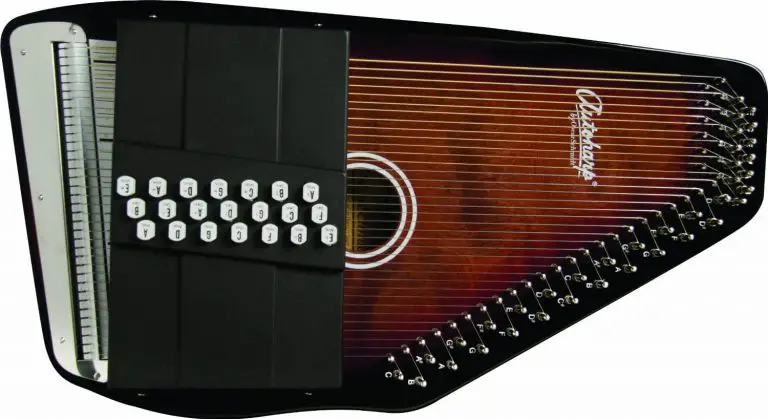
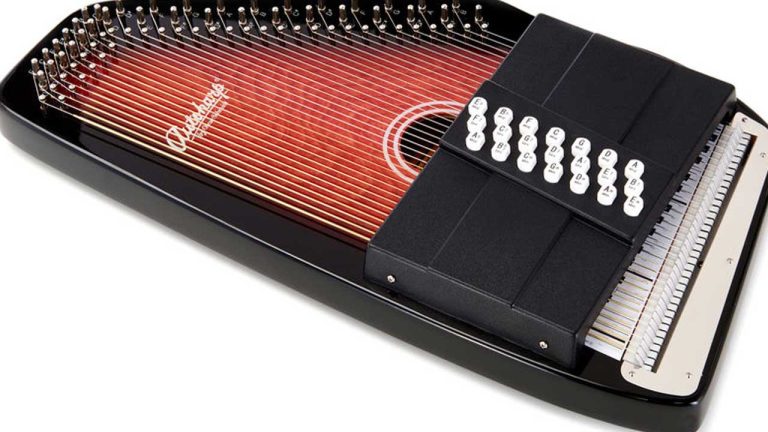
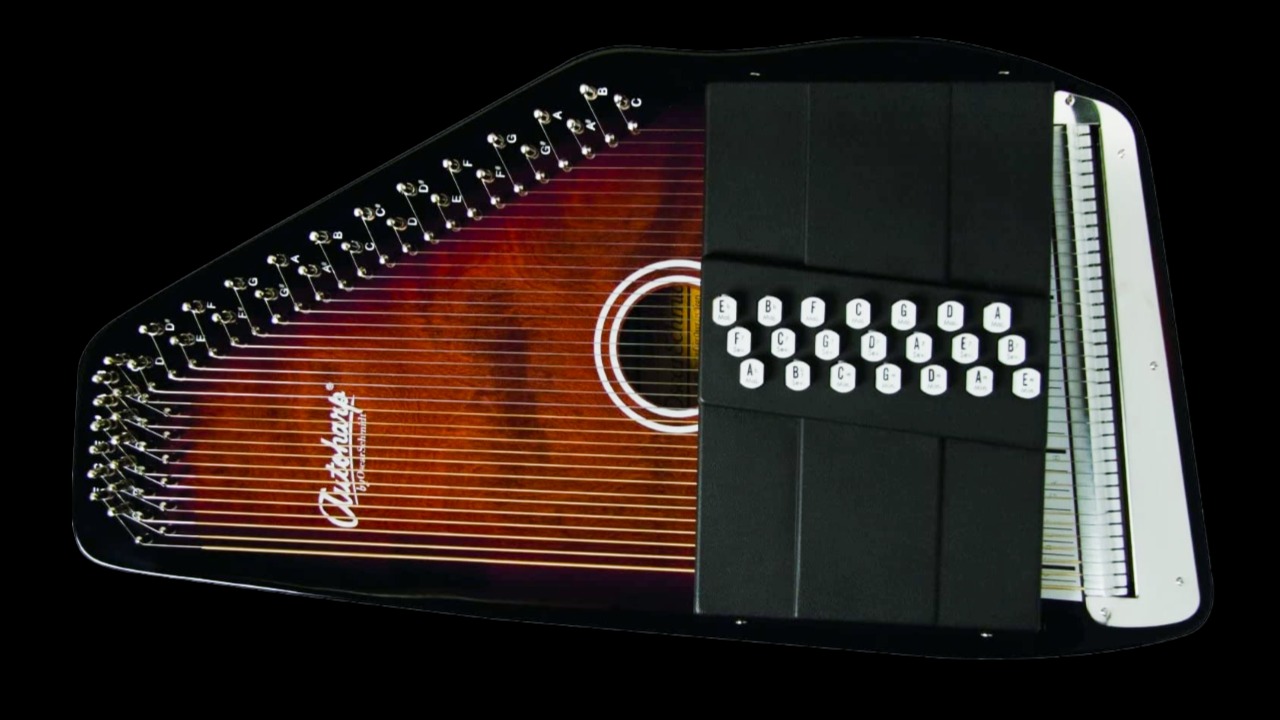
The Oscar Schmidt OS21C is the instrument I keep recommending when people ask me which autoharp to start with. I’ve spent enough time with it now to give you an honest account — what it does well, where it falls short, and who it’s genuinely built for.
If you’re still deciding between different models, take a look at my full best autoharp guide first — it covers the wider range at different price points.
Why Oscar Schmidt?
Oscar Schmidt is not a brand I came to through marketing. It’s simply the name that comes up every time you talk to serious autoharp players — in folk circles, in teaching communities, on forums. The company has been making autoharps since the 1870s and remains the dominant name in the market for very good reason.
I’ve tried a couple of cheaper alternatives over the years out of curiosity. The tuning stability was noticeably worse, and the string spacing on one of them made clean chord contact genuinely difficult. Oscar Schmidt’s instruments are built to a standard that cheaper options don’t match. For anyone asking which autoharp to buy, they’re the right starting point.
Oscar Schmidt OS21C Specifications
| Feature | Detail |
|---|---|
| Chords | 21 |
| Strings | 36 (alloy steel) |
| Body material | Maple (top and back) |
| Pin block | Rock maple |
| Finish | Gloss / Tobacco Sunburst |
| Dimensions | 25.2 x 13.4 x 5.1 inches |
| Weight | 9.7 lbs |
| Includes | Tuning wrench, tuning tips, picks |
| Amazon rating | 4.3/5 (140 reviews) |
Sound and Playability
The first thing I noticed when I got the OS21C properly in tune was how much fuller it sounded than I expected. Coming from the harp, I was paying attention to how the notes rang and separated — and the maple body does a good job here. The tone is warm without being muddy, and you get reasonable sustain across the range.
Playing it is genuinely intuitive. Having a background in guitar means I was already comfortable with strumming technique, but the chord bar system removes a lot of the left-hand complexity that trips up beginners on stringed instruments. You press a bar, you strum, and you get a clean chord. The learning curve is shallow in the best possible way — most people can play a recognisable song within their first sitting, which keeps motivation up when you’re in those early stages.
The 21-chord configuration is what I’d go for over the 15-chord models. Those extra minor chords open up a lot more musical territory — folk ballads, country songs in minor keys, more complex arrangements. Once you start playing in different keys, you’ll feel the difference.
One thing to mention from personal experience: the chord bars require a confident press to avoid buzzing. I found myself adjusting my technique slightly in the first couple of sessions — pressing more deliberately before strumming. It becomes second nature quickly, but it’s worth knowing going in.
On Tuning
I want to be straightforward about this because it catches people off guard. The OS21C will not arrive in tune, and it will need regular attention in the first few weeks as the strings settle. This is not a flaw — it’s just the reality of any new stringed instrument. I tune mine before every session, which takes a few minutes once you have a good chromatic tuner and some practice with the tuning wrench.
The rock maple pin block is the reason the OS21C holds its tuning better than cheaper instruments. The pins stay put under tension rather than gradually slipping, which makes the whole process less frustrating. If you’ve owned a budget instrument that needed retuning mid-session, you’ll appreciate the difference.
Pros and Cons
| Pros | Cons |
|---|---|
| 21 chords gives real musical range | Doesn’t arrive in tune — expect to tune before first play |
| Maple body delivers warm, clear tone | Strings take a few weeks to fully settle |
| Rock maple pin block holds tuning well | No case in the standalone — you’ll want one |
| Accessible from day one, capable long-term | Chord bars need confident pressing to avoid buzz |
| Trusted brand with decades of consistent quality | Currently sold via third-party on Amazon — worth monitoring stock |
21 Chords vs 15 Chords: My Recommendation
Oscar Schmidt’s 15-chord OS15B is a fine instrument — I recommend it to complete beginners who want something a little more forgiving to start on. But if you have any musical background at all, I’d steer you towards the OS21C. Those six additional chords include minor chords that come up constantly in real-world playing, and you’ll be glad you have them.
The chord bars are slightly narrower on a 21-chord model, which can feel cramped at first. But in my experience that adjustment happens quickly, and you don’t want to be shopping for an upgrade in six months because you’ve run out of keys.
Standalone vs Bundle: What I’d Choose
The OS21C comes in two options on Amazon — the standalone instrument, and a bundle that adds a padded gig bag, clip-on tuner, picks, and polish.
| Standalone | Bundle | |
|---|---|---|
| Instrument | OS21C autoharp | OS21C autoharp |
| Padded gig bag | No | Yes (AC445) |
| Clip-on tuner | No | Yes |
| Picks | Basic set | Expanded set |
| Polish and tool | No | Yes |
If this is your first autoharp, I’d lean towards the bundle. A padded case is not optional — the instrument is made of wood and the chord bars are delicate. You’ll also need a clip-on chromatic tuner from day one, and buying one separately often costs more than the bundle premium anyway. If you already own both from another instrument, the standalone makes more sense.
- Check price — Oscar Schmidt OS21C Standalone on Amazon
- Check price — Oscar Schmidt OS21C Bundle (with gig bag, tuner and accessories) on Amazon
Who Is the Oscar Schmidt OS21C Best For?
- Beginners with some musical background — the 21-chord range will serve you better than you expect, and you won’t outgrow it
- Folk, country, and bluegrass players — this is the instrument’s natural home
- Music teachers — reliable, durable, and easy to demonstrate with
- Experienced players wanting a dependable everyday autoharp without boutique prices
If you specifically want an acoustic/electric instrument, look at the OS73CE. For a tighter budget, the OS15B is the more accessible starting point.
My Verdict
The Oscar Schmidt OS21C is, in my view, the right autoharp for most people. It’s well-built, it sounds good, and it will grow with you as a player without needing an upgrade in a couple of years. The tuning process is part of owning any stringed instrument — once you’re past that initial settling-in period, it holds reasonably well.
I recommend it without hesitation to anyone serious about taking up the autoharp. Just make sure you have a tuner ready for when it arrives.
- Check price — Oscar Schmidt OS21C Standalone on Amazon
- Check price — Oscar Schmidt OS21C Bundle on Amazon
Author Profile

- Daniel Johnstone — Dániel to his friends back in Miskolc — is a Hungarian folk musician and writer who has been playing stringed instruments for over twenty years. Growing up in northeastern Hungary with a family steeped in folk music, he developed an early obsession with Celtic and Appalachian styles that eventually brought him to the UK. He worked his way through tenor banjo, 5-string banjo, autoharp, mountain dulcimer, mandolin, ukulele, harp and kalimba — most of them acquired through trial, error and more money than he'd like to admit. He founded Folkstrings.com to cut through the noise: practical, experience-based guides to instruments, strings, gear and accessories for folk players at every level.
Latest entries
 MandolinJuly 14, 2026Online Mandolin Lessons — What YouTube Can’t Teach You (And What Can)
 Useful ToolsJuly 13, 2026Recorder Fingering Chart — Complete Guide for Soprano Recorder (Baroque and German)
 UkuleleJuly 12, 2026Gifts For Ukulele Players: 10 Best Picks
 MandolinJuly 12, 2026Gifts For Mandolin Players: 10 Best Picks